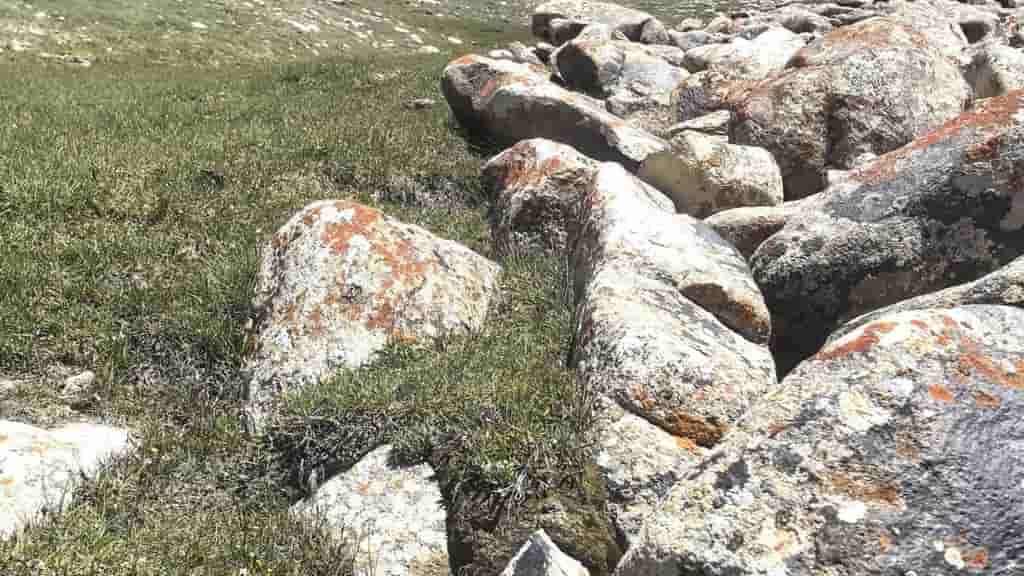
Key facts
- A common orange lichen, Xanthoria parietina, can absorb and concentrate rare earth elements from soil.
- This lichen's presence may indicate deposits of valuable rare earth minerals.
- The discovery could significantly simplify and lower the cost of prospecting for these critical elements.
- Researchers are exploring the potential for using this biological indicator in mining exploration.
A common orange lichen, Xanthoria parietina, has been identified as a potential biological indicator for rare earth elements (REEs). Researchers have found that this lichen can absorb and concentrate these valuable minerals from the soil, suggesting that its presence could signal the existence of REE deposits.
This discovery holds significant implications for the mining industry, potentially offering a more accessible and cost-effective method for prospecting. Traditionally, the search for rare earth elements involves extensive and often environmentally disruptive geological surveys. The identification of Xanthoria parietina as a natural indicator could streamline this process, making it easier to locate these critical minerals, which are essential for numerous modern technologies, including electronics, renewable energy systems, and defense applications.