Key facts
- Iran has discovered over 7.5 trillion cubic feet of natural gas in a field in Fars Province.
Iran announced a significant new natural gas discovery in Fars Province, estimating over 7.5 trillion cubic feet of reserves, with 5.7 trillion cubic feet deemed recoverable. The find occurs amid ongoing geopolitical tensions and U.S. sanctions impacting the nation's energy sector.
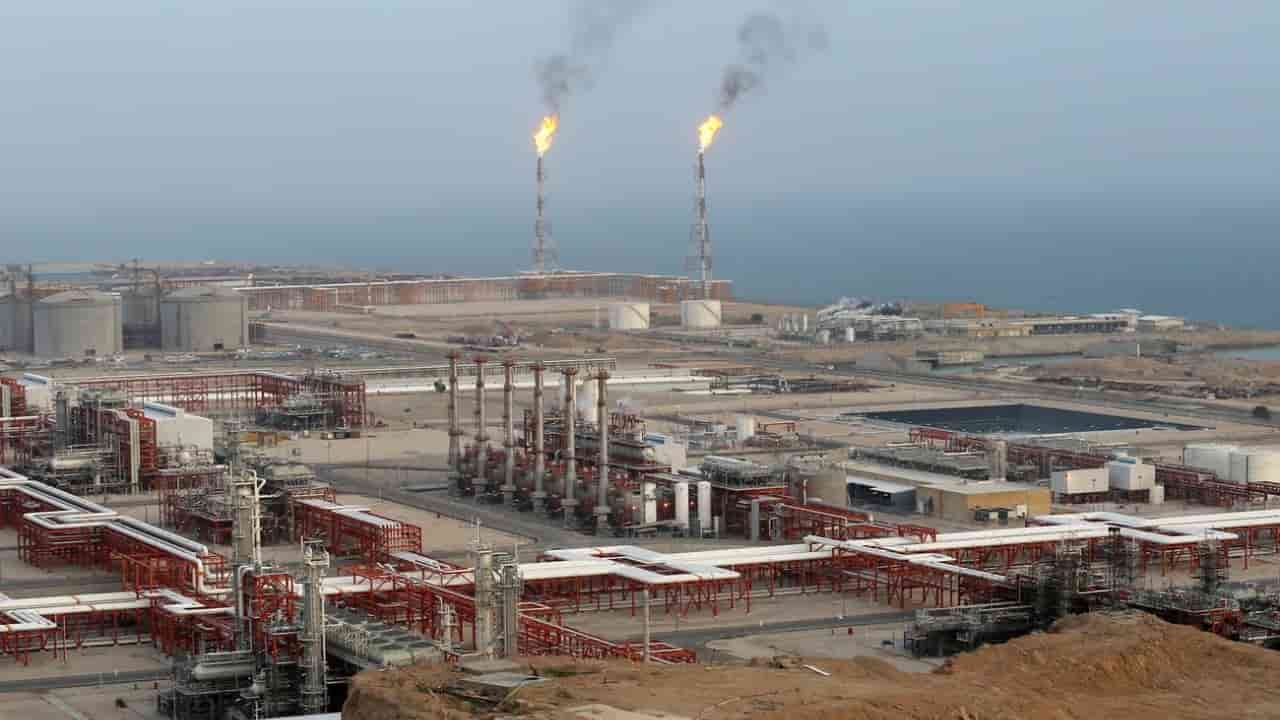
This discovery bolsters Iran's significant natural gas reserves amidst geopolitical tensions and U.S. sanctions, potentially impacting global energy markets and Iran's economic leverage.
Iran has announced the discovery of over 7.5 trillion cubic feet of natural gas in a field south of its Fars Province, according to Oil Minister Mohsen Paknejad. The find is estimated to yield 5.7 trillion cubic feet of recoverable gas, characterized as 'sweet,' which can reduce development and operating costs. This discovery adds to Iran's substantial natural gas reserves, positioning it with the world's second-largest after Russia. The announcement comes as the U.S. threatens further sanctions, with President Trump referring to potential measures as 'draconian.' Meanwhile, repairs continue at the South Pars gas field, the world's largest, which was damaged by strikes; 70% of its operations have been restored, though full restoration is expected to take at least three years. The field is shared by Iran and Qatar.
Pick the topics you care about. Get only what matters, on your cadence.