All NewsEducationTV
Equities & FundsCrypto & Digital AssetsAI & TechnologyBusiness & CorporateUS Politics & PolicyGeopolitics & Global RiskMacro, Rates & FXCommodities & EnergyEuropean Politics & MarketsAsia-PacificReal Estate & Property
All NewsHome
← Back to Commodities & Energy

Trump Orders Duty-Free Beef Imports to Lower Prices

Created at 29 Aug · 8:06 PM1 source↑ Market-relevant
IN SHORT

President Donald Trump has authorized the duty-free import of 300,000 metric tons of beef for 90 days, aiming to reduce consumer prices. The move faces criticism from cattle ranchers and some Republicans who argue it could harm domestic producers.

Key Numbers

300,000 metric tonsduty-free beef imports authorized
90 daysduration of duty-free imports
25%discount below market price for imports
$6.89average cost per pound of ground beef
2%domestic beef consumption equivalent of imports
27%price increase for ground beef over three years
9%price increase for ground beef over the past year

Who's Involved

Donald Trump
President authorizing duty-free beef imports
Kush Desai
White House spokesperson on beef prices
Glynn Tonsor
Agricultural economist at Kansas State University
National Cattlemen's Beef Association
Industry group disappointed by the plan
Colin Woodall
CEO of the National Cattlemen's Beef Association
American Farm Bureau Federation
Organization warning of long-term negative effects
Justin Tupper
President of the U.S. Cattlemen's Association
Trump Orders Duty-Free Beef Imports to Lower Prices

↳ Why This Matters

The decision impacts the U.S. beef market by potentially lowering consumer prices but also risks disrupting domestic cattle ranchers and producers, highlighting a conflict between short-term consumer relief and long-term agricultural industry stability.

Key facts

  • President Donald Trump authorized the duty-free import of 300,000 metric tons of beef for 90 days.
  • The imported beef must be sold at 25% below current market prices.
  • The measure aims to address insufficient supply and high consumer prices for beef.
  • Cattle ranchers and some Republican lawmakers have criticized the plan, citing potential harm to domestic producers.
  • Experts suggest the impact on consumer prices may be limited due to the volume and type of beef imported.

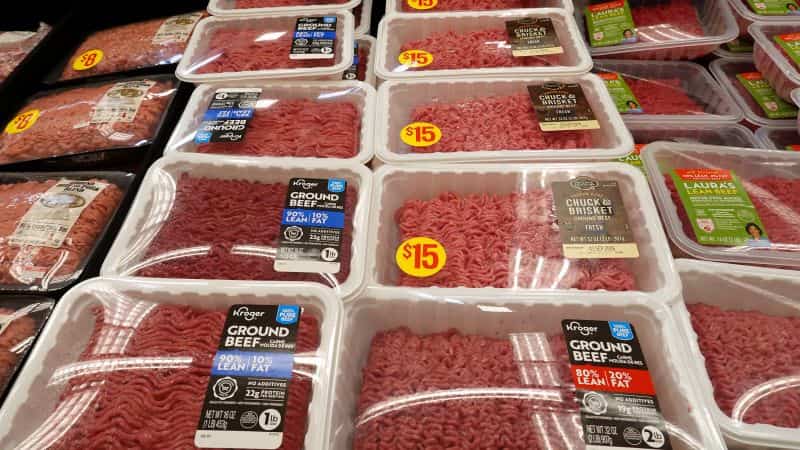
President Donald Trump has initiated a plan to allow up to 300,000 metric tons of beef to be imported into the United States duty-free for a period of 90 days, starting September 1. The objective is to lower prices for American consumers, who have faced significant increases in beef costs over the past few years. The imported beef is committed to be sold at 25% below current market prices.

The White House stated that this measure is intended to address short-term supply needs while the administration works with American ranchers to expand domestic production and rebuild the cattle herd, which is reportedly at a multi-decade low. Spokesperson Kush Desai suggested that elevated prices stem from insufficient supply meeting consumer demand.

However, the move has drawn criticism from cattle industry groups and some Republican lawmakers. Representatives from the National Cattlemen's Beef Association and the U.S. Cattlemen's Association expressed disappointment, arguing that introducing below-market-priced beef could negatively impact American cattle producers and that the focus should be on demand rather than supply intervention. They contend that consumers are willing to pay for high-quality U.S. beef and that the president is overlooking this demand.

Agricultural economist Glynn Tonsor noted that the volume of imports represents only about 2% of domestic beef consumption and that the exemptions primarily apply to beef trimmings used for ground beef, potentially limiting the overall price reduction for consumers. The actual impact on grocery store prices also depends on whether the imports supplement or replace beef that processors would have otherwise purchased from U.S. suppliers. Tonsor suggested that while the imports could be good for consumers, their impact might be overstated.

Frequently asked questions

The goal is to lower the price of ground beef for American consumers by allowing duty-free imports and ensuring the meat is sold at a discount.

Up to 300,000 metric tons of beef will be allowed into the U.S. duty-free for 90 days.

The imported beef is committed to be sold at 25% below current market prices, though experts suggest the overall impact on consumer prices may be limited.

Cattle ranchers, industry groups like the National Cattlemen's Beef Association, and some Republican senators have voiced opposition, concerned about the impact on domestic producers.

What Happens Next

01Imports of duty-free beef will commence on September 1.
02The program for duty-free imports will conclude after 90 days.
03The administration will continue to work with American ranchers to expand domestic production.
CME Headlines
  • RBOB Gasoline futures reach multi-month highs on inventory draw.
    28 Aug · 10:40 PM
  • RBOB Gasoline futures reach multi-month highs on inventory draw.
    28 Aug · 10:40 PM
  • Live Cattle futures slide for 4th straight week as Lean Hogs rebound.
    28 Aug · 10:24 PM

How It Developed

President Donald Trump signed an executive proclamation allowing 300,000 metric tons of beef to enter the US duty-free for 90 days.
The imported beef is required to be sold at 25% below market price.
The White House stated the action aims to meet short-term beef needs while working with ranchers to expand domestic production.
Cattle industry groups and some Republican senators expressed disappointment, warning of negative impacts on American ranchers.
Critics argue the measure may not significantly lower prices for consumers and could harm domestic producers.

Sources

T1
Trump Widens Beef Imports in Bid to Lower PricesThe New York Times
T2
Trump is letting in 300,000 tons of beef duty-free. Don't ... - CNNcnn.com
T2
Trump allows tariff-free ground beef imports to lower prices for ...foxbusiness.com

Related Stories

Colorado River plan to cut water amid drought brings uncertainty for cities and farmers
29 Aug · 1:06 PM
Nepal Flood Devastates Hydropower Projects, Exposing Renewable Energy Risks
29 Aug · 9:21 AM
EU Gas Stores Hit 13-Year Low, Sparking 'Winter Panic'
29 Aug · 5:06 AM
Azerbaijan Bets on Clean Energy Boom Amid Oil Dominance
29 Aug · 3:51 PM
Europe's summer drought threatens fish in rivers, lakes and farms
29 Aug · 5:46 AM