Key facts
- Brazilian President Luiz Inacio Lula da Silva is in a close election race against Senator Flavio Bolsonaro.
- Lula has framed the election as a battle against undemocratic forces and warned of foreign interference.
Brazilian President Luiz Inacio Lula da Silva is in a tight race for what may be his final presidential campaign. His bid against Senator Flavio Bolsonaro is seen by many progressives as a crucial moment that could reverse the region's conservative political trend.
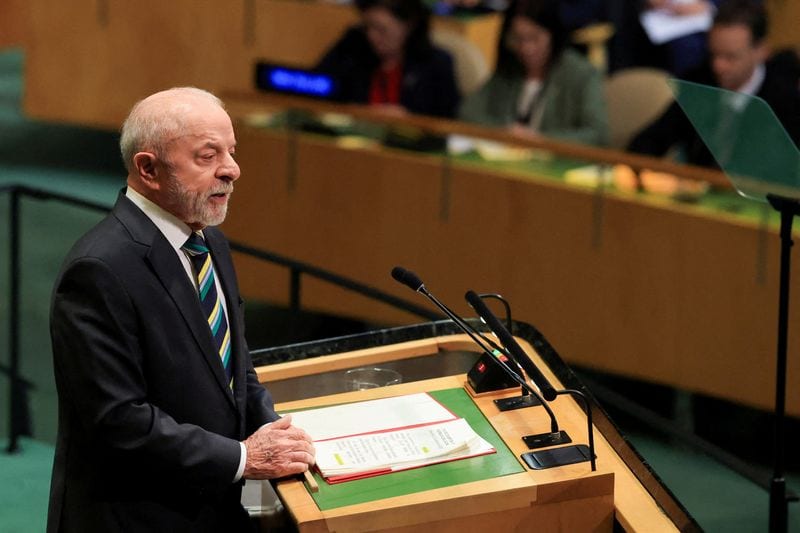
The outcome of Brazil's election is seen as pivotal for the political direction of Latin America, with a potential Lula victory offering a countercurrent to the region's conservative drift and bolstering progressive movements.
Brazilian President Luiz Inacio Lula da Silva is in a close race for what may be his final presidential campaign, framing the election as a battle against undemocratic forces and warning of foreign interference. His bid against Senator Flavio Bolsonaro, son of former President Jair Bolsonaro, is viewed by many progressives as a critical moment that could help reverse the conservative political trend sweeping Latin America.
Despite Lula's efforts to portray Senator Bolsonaro as a representative of a broader right-wing movement, the race remains tight. Lula's government has faced challenges with rising living costs and persistent national polarization, even as it has seen success in reducing inequality and unemployment. The international interest in the election is significant, with many observers and leaders watching closely to see if Brazil will elect a president who aligns with democratic or authoritarian forces.
Lula's return to power in 2023 followed a dramatic comeback after a corruption investigation led to his imprisonment. He has since positioned himself as a symbol for the global left and a frontline defender against a global right-wing movement. The January 8, 2023, attacks on government buildings by Bolsonaro supporters only reinforced this belief for many.
Regionally, Lula has strengthened ties with China and revived Brazil's leadership role in the BRICS bloc, but recent right-wing victories in South America have left him somewhat isolated in the Western Hemisphere. Some Brazilian diplomats believe Washington views Brazil as the last major obstacle to a sweep of Trump-aligned governments across Latin America. Progressives in Washington see Lula as a "beacon of hope," and his potential reelection is viewed by opponents of Argentina's President Javier Milei as a potential boost ahead of their own upcoming elections.
Concerns about election interference have been voiced by Lula's allies, who point to remarks by US Secretary of State Marco Rubio and a failed effort by US officials to visit Brazil to discuss "electoral integrity." In response, 31 Democrats in Congress, including Representative Alexandria Ocasio-Cortez, have urged Rubio to respect Brazil's election results, expressing "grave concern" over a "sustained, multifaceted campaign of interference and destabilization in Brazil."
Pick the topics you care about. Get only what matters, on your cadence.