Key facts
- President Xi Jinping urged universities to support China's national strategy for hi-tech development.
- Xi's remarks were made in a letter congratulating Sichuan University on its 130th anniversary.
- He stressed the importance of strengthening independent sci-tech innovation and talent cultivation.
- Xi called for closer collaboration among industries, universities, and research institutions.
- China aims to become a leading country in science and technology by 2035.
- Xi noted gaps in China's original innovation capacity and talent structure.
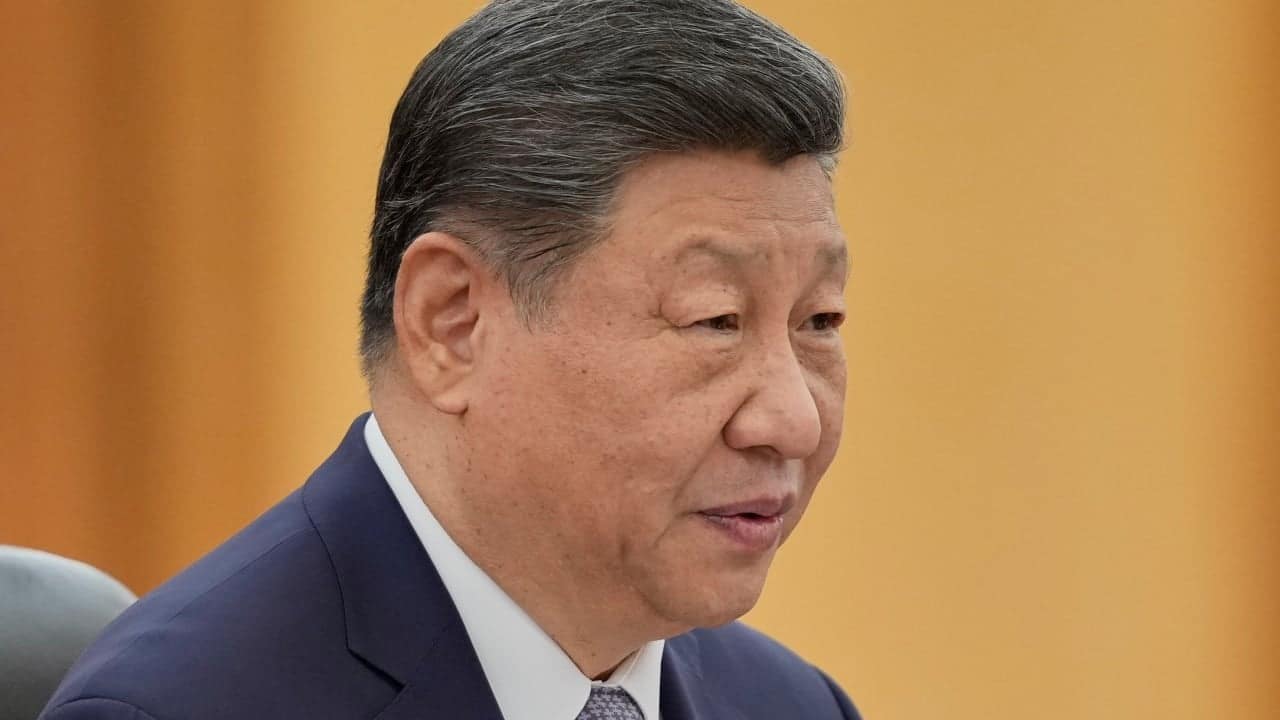
President Xi Jinping has called on Chinese universities to play a crucial role in advancing the nation's technological and scientific ambitions. In a letter released on Tuesday, Xi congratulated Sichuan University on its 130th anniversary and urged it to leverage its interdisciplinary strengths in humanities, sciences, engineering, and medicine to support China's national strategy for hi-tech development.
Xi, also general secretary of the Communist Party of China Central Committee and chairman of the Central Military Commission, emphasized the importance of strengthening independent sci-tech innovation and talent cultivation. He called for greater collaboration among industries, universities, and research institutions to achieve breakthroughs. This directive was also conveyed in a reply letter to faculty and students of Shanghai Jiao Tong University, Xi'an Jiaotong University, Southwest Jiaotong University, and Beijing Jiaotong University, all of which are celebrating their 130th anniversaries.
At a meeting on July 8, 2026, Xi highlighted that the 15th Five-Year Plan period (2026-2030) is critical for overcoming challenges in building scientific and technological strength. He stated China's goal to become a leading country in science and technology by 2035, noting that the country is transitioning from a participant to a pioneer in global sci-tech innovation. Despite recent breakthroughs, Xi acknowledged existing gaps in original innovation capacity, talent structure, and the efficiency of sci-tech investment, stressing the need for forceful measures to address these issues.