Key facts
- HKU plans to expand its research capacity and attract talent with a new campus in the Northern Metropolis.
- The new campus will emphasize real-world industry projects and a multidisciplinary learning approach.
- President Xiang Zhang aims to build a 'truly internationalised powerhouse' aligned with China's 15th Five-Year Plan.
- The university's new vice-president for research, Anderson Shum Ho-cheung, called for more government funding.
- The total campus area for three planned university towns in the Northern Metropolis has been tripled to 300 hectares.
The University of Hong Kong (HKU) is planning to expand its research capabilities and attract top talent by establishing a new international campus in the Northern Metropolis university town. The initiative, outlined by President Xiang Zhang, aims to create a 'truly internationalised powerhouse' that reimagines higher education through interdisciplinary collaboration and a focus on real-world industry projects.
Zhang described the new campus as a departure from traditional education, with students focusing on foundational subjects in their first two years before immersing themselves in commercialization or industry projects for the remaining two. This model, already being piloted by HKU's School of Innovation, is designed to equip graduates with the skills to tackle complex modern challenges.
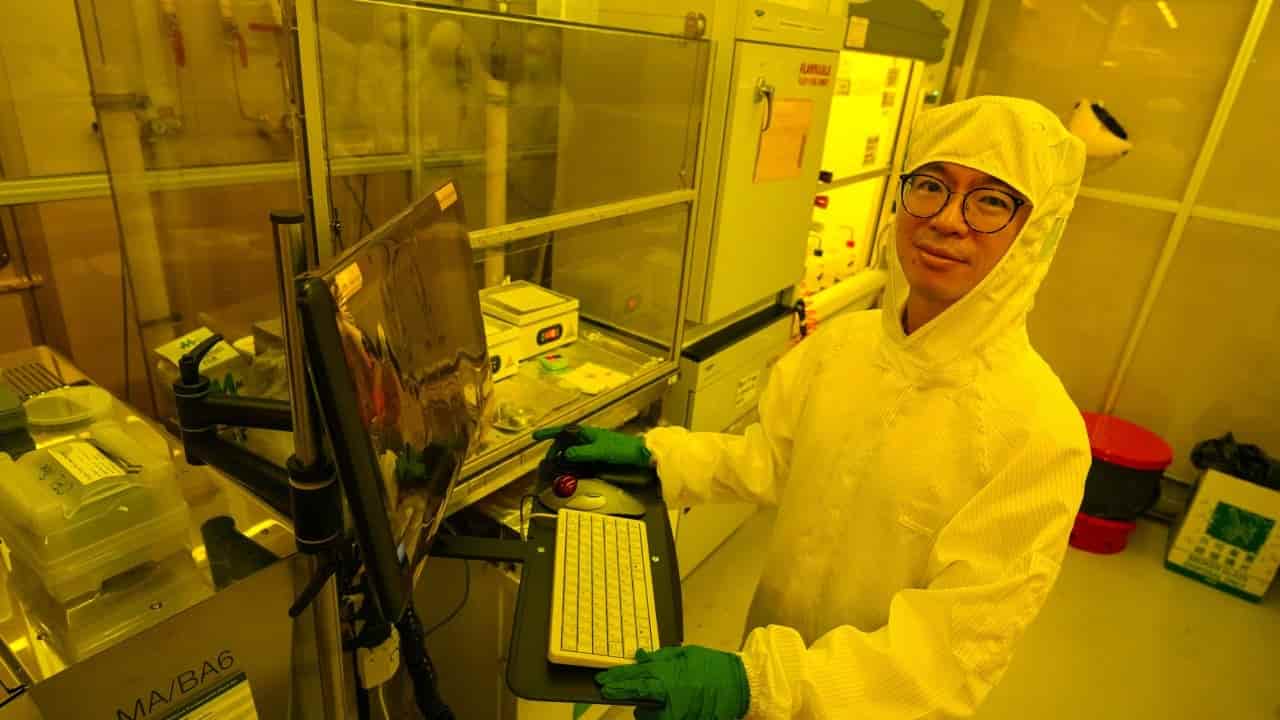
The university's new vice-president for research, Anderson Shum Ho-cheung, also indicated a need for increased government funding to support research development, noting that grant applications can be time-consuming and investment returns may be slow.
The Northern Metropolis project, a centerpiece of Hong Kong's inaugural five-year plan (2026-30), includes expanding the university towns' total land area. The total campus area for three planned university towns has been tripled to 300 hectares, with the overall area of the towns, including adjacent technology and industry zones and residential communities, expanded to over 1,000 hectares. San Tin University Town will focus on medicine, AI, and microelectronics, Hung Shui Kiu on smart manufacturing and talent, and Ta Kwu Ling on emerging industries and arts.