Key facts
- New Zealand's parliament was dissolved on Thursday, marking the official start of campaigning for the November 7 national election.
- A 1News-Verian poll showed a left-leaning coalition led by Labour could potentially form a government with 65 seats.
- The incumbent National, ACT, and New Zealand First bloc could win 59 seats, according to the same poll.
- New Zealand's Mixed Member Proportional electoral system typically results in coalition governments.
- Overseas voting begins on October 21, with advance voting opening on October 26.
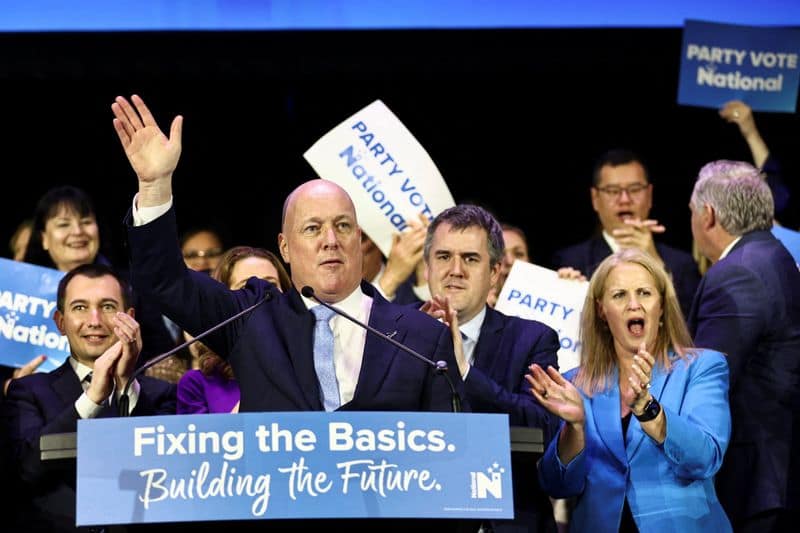
New Zealand's Parliament was dissolved on Thursday, officially initiating the campaign period for the national election scheduled for November 7. The upcoming vote is anticipated to be a closely contested race between the ruling centre-right coalition and a Labour-led left-wing bloc.
Parties concluded their final parliamentary sittings on September 23, with key campaign issues including the cost of living, economic management, and public services. A recent 1News-Verian poll indicated that a coalition led by Labour might secure 65 seats, potentially forming a government, while the incumbent National, ACT, and New Zealand First coalition could win 59 seats.
New Zealand's electoral system, a Mixed Member Proportional model introduced three decades ago, has consistently led to coalition governments, granting minor parties significant influence in governance. Typically, Parliament comprises 120 seats, though additional seats can be added if a party wins more electorate seats than its national party vote share would normally allow.
Some polls suggest that the decade-old centrist Opportunity Party could play a pivotal role as a kingmaker in this election. Overseas voting is set to commence on October 21, followed by advance voting on October 26.