Key facts
- South Korean President Lee Jae Myung plans to double semiconductor production capacity in five years.
- The country aims to build AI supply chains free from external shocks.
- Seoul is reinvesting AI chip boom results into a new 'Future Fund' for industrial infrastructure and talent.
- Market reforms will be implemented to attract foreign investment, including legal revisions to enhance shareholder value.
- Lee discussed cooperation in shipbuilding with U.S. President Donald Trump.
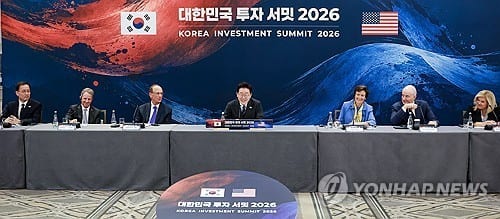
South Korean President Lee Jae Myung announced ambitious plans to double the nation's semiconductor production capacity within five years and establish artificial intelligence (AI) supply chains that are resilient to external shocks. Speaking at the Korea Investment Summit in New York, Lee also committed to creating market conditions conducive to global capital investment and implementing market reforms to attract foreign capital.
Lee stated that South Korea will expand its chip production hub to achieve the doubling of semiconductor production capabilities. He also emphasized the creation of critical AI supply chains that will not be shaken by any shocks. The president highlighted that Seoul is reinvesting the "results" from the AI chip boom to establish a new "Future Fund." This fund is intended to nurture related industrial infrastructure and talent, ensuring stable support for future industries.
To attract foreign investment, Lee pledged to enhance shareholder value through legal revisions and expand the foreign exchange market to operate around the clock. "We will double down on efforts to create market conditions in which global capital can invest freely and at any time," Lee said, guaranteeing continuous reforms to capital and foreign currency markets.
Recalling his summit talks with U.S. President Donald Trump the previous day, Lee mentioned discussions on cooperation in shipbuilding, particularly the construction of U.S. military vessels. He described South Korea and the U.S. as "key partners" supporting each other in industry, economy, and security, expressing hope that this cooperation would contribute to peace on the Korean Peninsula.