Key facts
- TSMC affiliate Vanguard International Semiconductor (VIS) is planning a second chipmaking plant in Singapore.
- VIS's first Singapore plant, VSMC, has had its capacity fully booked due to demand for AI infrastructure.
- VSMC will produce silicon interposers using 30nm to 40nm technologies, with licensing from TSMC.
- Investment costs for the Singapore fab were reduced to US$6.7 billion.
- VIS will hold a 60% stake in VSMC, with NXP Semiconductors holding 40%.
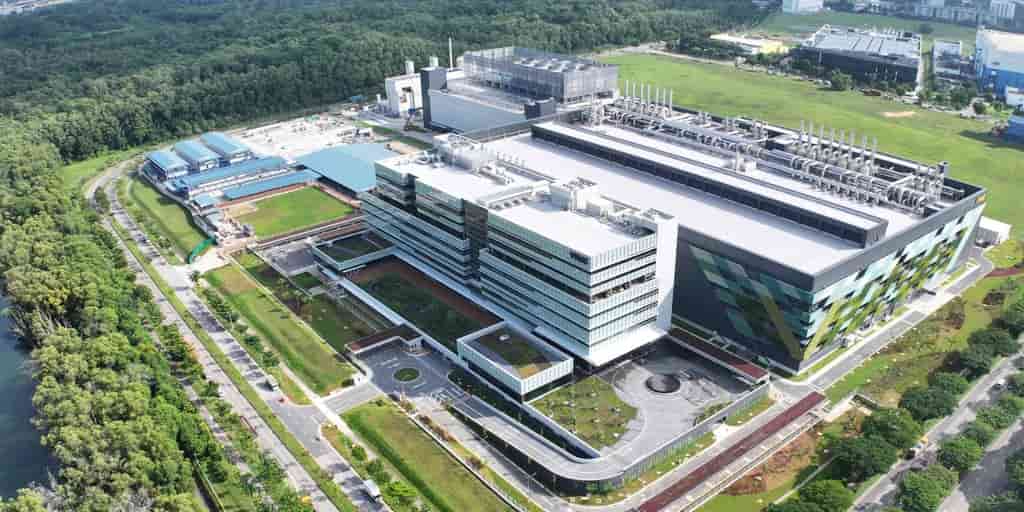
Vanguard International Semiconductor (VIS), an affiliate of Taiwan Semiconductor Manufacturing Co. (TSMC), has inaugurated its first advanced chipmaking plant in Singapore and is already considering building a second facility. The company's new capacity is reportedly "sold out," driven by the significant demand for components used in artificial intelligence infrastructure.
According to UDN News, VIS Chairman Leuh Fang stated that the company is evaluating the construction of a second 12-inch fab due to existing capacity being fully booked. The Singapore fab, known as VSMC, has adjusted its product mix to include silicon interposer products, a move that has revised its planned monthly capacity down from 55,000 wafers to 44,000 wafers. This expansion of VSMC's product portfolio, utilizing 30nm to 40nm technologies licensed from TSMC, is seen by industry observers as a potential entry into the AI advanced packaging CoWoS supply chain.
Customers' efforts to diversify supply chains amid geopolitical risks are also a key factor in the fab's full booking. The Singapore fab is slated to begin mass production in 2027, with the original timeline for reaching full capacity in 2029 potentially being accelerated. Investment costs for the Singapore fab have been reduced to US$6.7 billion from an initial estimate of US$7.8 billion, partly due to equipment support from TSMC. VIS President John Wei noted that over 200 tools have been moved into the fab for trial production.
VIS will invest US$2.4 billion for a 60% stake in VSMC, while joint venture partner NXP Semiconductors will hold a 40% stake, investing US$1.6 billion. Additional funding will come from long-term contract prepayments from customers. Separately, VIS plans to upgrade part of its mature-node capacity in its 8-inch fabs in 2026 to meet growing demand for finer-line processes. For the current quarter, VIS expects wafer shipments to increase by 10% to 13% quarter-over-quarter, with average selling prices projected to rise by 2% to 5%, leading to a gross margin above 31%.