Key facts
- Taiwan's space agency has more than doubled its workforce in the past five years.
- The agency is seeking deeper collaboration with the U.S. and other international partners.
- Taiwan is developing the Formosat-8 program, comprising eight optical, remote-sensing satellites.
- The first Formosat-8 satellite, FS-8A, launched in November 2025 aboard a SpaceX Falcon 9 rocket.
- The Formosat-8 satellites are designed to provide imagery of the Taiwan region up to three times a day.
- Taiwan plans to spend $25.1 billion over the next decade to grow its commercial space capabilities.
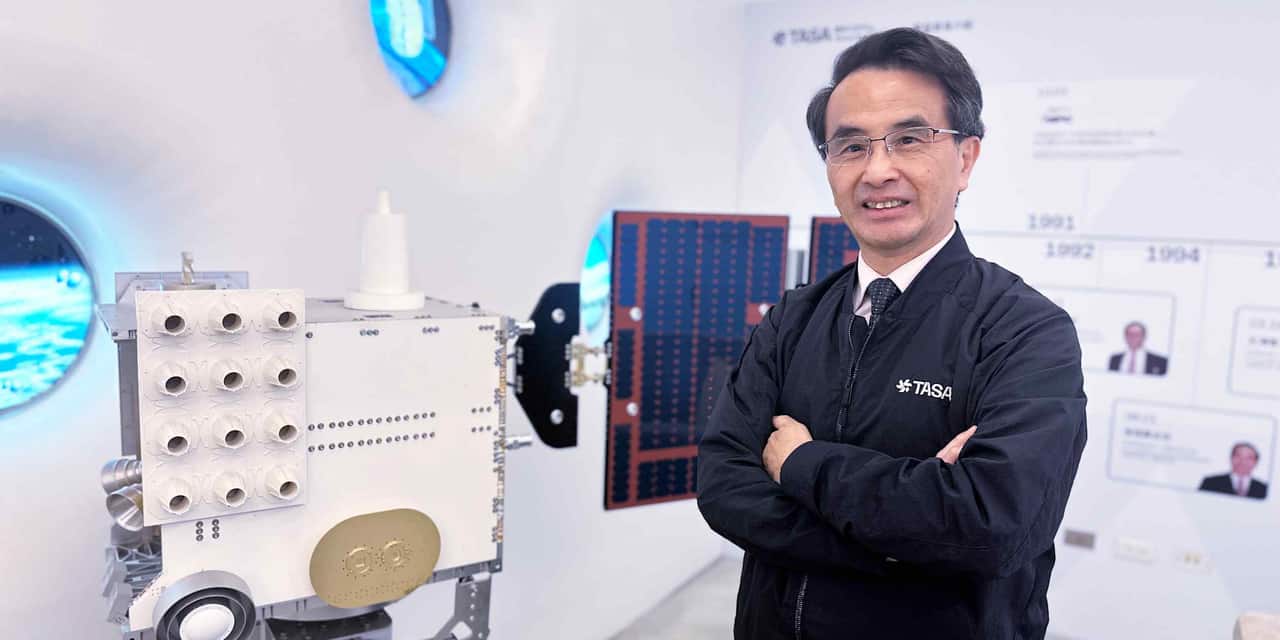
Taiwan's space agency has more than doubled its workforce over the past five years and is seeking deeper collaboration with the U.S. and other international partners as part of its efforts to build a globally competitive space industry on the island, the agency's chief told Nikkei Asia. The agency, reorganized into the Taiwan Space Agency (TASA) in 2023, is expanding its budgets and launching satellites, with a lunar mission planned. The transformation is described as pragmatic, policy-led, and tethered to national resilience.
The island is developing the Formosat-8 program, comprising eight optical, remote-sensing satellites designed to provide imagery of the Taiwan region up to three times a day. The first unit, FS-8A, launched in November 2025 aboard a SpaceX Falcon 9 rocket from Vandenberg Space Force Base, California, with the rest scheduled for deployment through 2031. This program is seen as a major leap toward Taiwan’s sovereign space capabilities and a critical step in hardening its national infrastructure, according to the Formosan Association of Public Affairs.
Taiwan is also pursuing a Beyond 5G (B5G) LEO satellite initiative as a public-private effort to secure indigenous communications in space, with trial satellites planned for 2027-2028 and six operational satellites by 2029. This aims to provide reliable backup if undersea cables are severed. The U.S. Congress is considering the Taiwan and American Space Assistance Act, which would allow cooperation between Taiwan and NASA, and the National Oceanographic and Atmospheric Administration in areas such as satellites, space exploration, and atmospheric and weather programs. This partnership is seen as vital for the U.S. and its allies in the Indo-Pacific region.