Key facts
- Malaysia's new EV import rules, effective July 1, will raise the entry threshold for fully imported models to over RM300,000.
- The new regulations aim to protect domestic automakers Proton and Perodua, whose locally assembled EVs remain affordable.
- Chinese automakers are aggressively expanding in Southeast Asia, offering significant discounts on EVs.
- EV sales in the region grew 79% year-on-year in the first half of 2025, driven by Chinese brands.
- Critics warn that Malaysia's protectionist policies could make EVs unaffordable for middle-income consumers.
National manufacturing ambitions in Southeast Asia are creating a costly and fragmented regional market for electric vehicles (EVs), potentially pricing out drivers just as interest grows. In Malaysia, new import rules set to take effect from July 1 are expected to significantly increase the prices of fully imported EV models, potentially pushing them beyond the reach of middle-income buyers.
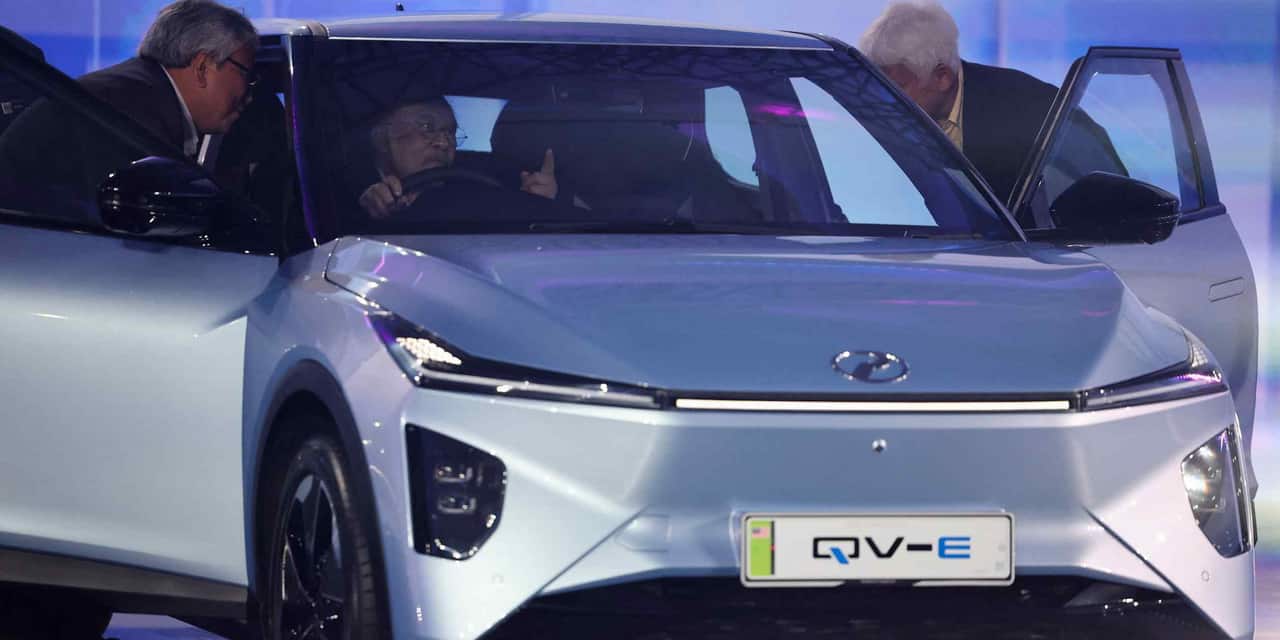
Prime Minister Anwar Ibrahim has emphasized the need to reduce fuel subsidies, while tax incentives have encouraged EV adoption. However, the latest policy shift signals a renewed focus on protecting domestic automakers like Proton and Perodua, which have foreign partners. These national carmakers' locally assembled EVs will remain affordable, with the Proton e.MAS 5 starting around RM60,000 and Perodua's QV-E costing about RM80,000 (excluding the battery).
The revised framework requires imported vehicles to have a declared cost, insurance, and freight value of at least RM200,000, leading to on-the-road prices around RM300,000. This effectively shifts many imported models into the luxury segment and may rule out lower-powered vehicles like the BYD Dolphin and Atto 3, as well as the GWM Ora Good Cat and MG4.
Malaysian consumers like 36-year-old video content creator Danil Roslan, who is considering an EV as a replacement for his aging Chevrolet Aveo, are facing uncertainty. "If the price goes that high, then it’s no longer something normal people can consider," Danil told The Straits Times.
Globally, Chinese automakers are aggressively expanding in Southeast Asia, offering significant discounts to gain market share. In the first half of 2025, EV sales in the region grew 79% year-on-year, fueled by these Chinese brands, which accounted for over 57% of total EV sales. However, this aggressive pricing strategy has raised concerns about sustainability and the impact on local economies. Dennis Chuah, president of the Electric Vehicle Association of Malaysia, warned that the price war erodes buyer confidence and raises questions about after-sale services if companies become unprofitable or cease to exist.