Key facts
- Buenos Aires is hosting its first Chinese auto show.
- Chinese brands' share of Argentina's car sales rose to 10% in August from 2% late last year.
- BYD is the ninth best-selling car brand in Argentina since its late 2025 launch.
- Over 20 Chinese brands are participating in the auto show.
- Toyota Motor plans to invest $1.34 billion in an EV plant in Argentina.
- President Javier Milei expressed indifference to the growth of Chinese automakers.
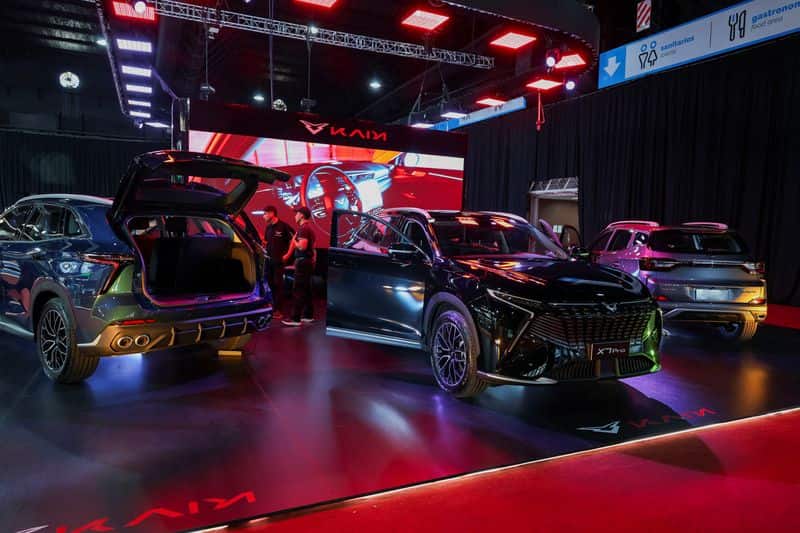
Buenos Aires is hosting its first Chinese auto show on Friday, signaling a shift in Argentina's automotive market under President Javier Milei towards a more open environment. Chinese brands have seen significant growth, bolstered by a measure allowing up to 50,000 electric and hybrid vehicles to enter without tariffs in 2026.
In August, Chinese brands captured 10% of car and light commercial vehicle sales in Argentina, a substantial increase from approximately 2% at the end of last year. BYD, a Chinese electric vehicle maker, has become the ninth best-selling car brand in Argentina since its late 2025 launch and leads electric car sales in several other Latin American countries. The auto show features over 20 Chinese brands, including Geely, Chery, GWM, and Dongfeng.
Globally, Chinese automakers are expanding across Latin America, prompting some markets like Brazil and Mexico to implement tariffs to protect domestic manufacturing. Argentine President Javier Milei, a libertarian, has expressed indifference to the rapid growth of Chinese automakers, stating that purchasing choices are up to Argentines. Car sales in Argentina have declined 13% year-to-date, attributed by analysts to a market adjustment after strong growth fueled by lower trade barriers and high interest rates.
Economist Andres Civetta suggests the Argentine auto industry should focus on pick-up trucks, an area where the country has a strong export position and faces less competition from Chinese brands. Fernando Rodriguez Canedo of the association of car factories welcomed Milei's reduction of national export duties and urged provincial governments to lower local taxes to enhance competitiveness.