Key facts
- Chinese car sales in the UK reached 285,000 units in 2025, a significant increase from 384 in 2015.
- BYD nearly doubled its UK sales in the first half of 2026 to over 37,000 units.
- Chinese brands now account for approximately 13% of new car registrations in the UK.
- The UK applies no additional tariff on Chinese plug-in hybrid vehicles, unlike the EU and US.
- The BYD Seal U costs nearly £10,000 less than a comparable Volkswagen Tiguan plug-in hybrid sold in the UK.
- Chinese automakers are becoming the world's largest car exporters, surpassing Japan and Germany in 2023.
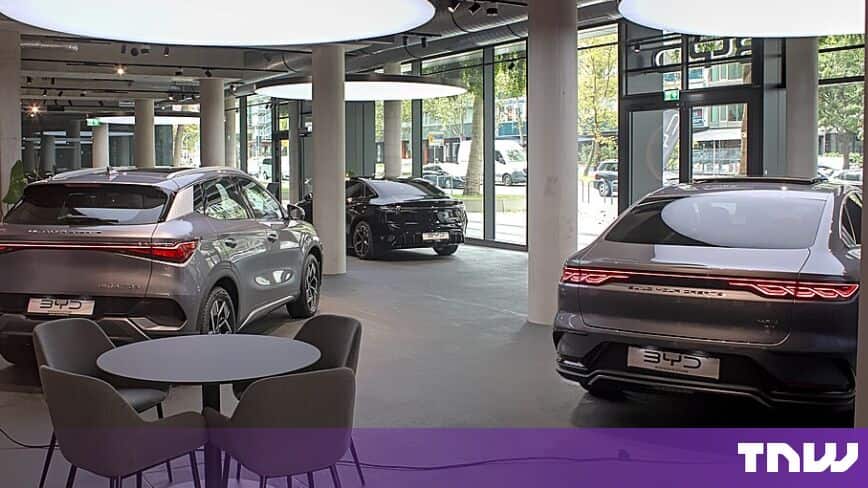
Chinese carmakers have significantly increased their presence in the UK market, with sales soaring from 384 units in 2015 to 285,000 in 2025, according to data from consultancy Mobility Global. This surge is largely attributed to the UK's lack of additional tariffs on Chinese plug-in hybrid vehicles, making it a more attractive entry point for Chinese automakers compared to the European Union and the United States.
BYD, a leading Chinese brand, nearly doubled its UK sales in the first half of 2026, exceeding 37,000 units. Collectively, Chinese brands now hold approximately 13% of new car registrations in Britain, a doubling of their market share from the previous year. This growth reflects China's broader trend of becoming the world's largest car exporter.
The absence of tariffs in the UK, contrasted with the EU's duties of up to 35.3% on Chinese battery-electric vehicles and potential tariffs on plug-in hybrids, creates a significant price advantage. For instance, a BYD Seal U, manufactured in China, costs nearly £10,000 less than a Volkswagen Tiguan plug-in hybrid built in Germany and sold in the UK. This value proposition is appealing to British consumers, particularly for more affordable electric vehicles.
This shift is reshaping the automotive landscape, putting pressure on traditional European manufacturers with plants in the UK, such as Jaguar Land Rover and Nissan. While the UK government is considering imposing tariffs, potentially in 2027, Chinese car prices are expected to remain competitive. Furthermore, Chinese companies like CATL and BYD are investing in battery production facilities in the UK, aiming to integrate further into the local supply chain.