Key facts
- Valve's new Steam Frame VR headset costs $1,049.
- The headset weighs 440g, making it lighter than the Meta Quest 3.
- It features pancake optics with a 144 Hz refresh rate and 2160 x 2160 resolution per eye.
- Battery life is approximately 1.5 hours in 'Performance' mode.
- The headset supports wireless streaming of PC VR games.
Valve has released its new Steam Frame VR headset, a surprising move given the company's previous apparent disinterest in the virtual reality market. The $1,049 device, which begins taking reservations today in 2026, aims to offer a premium VR experience. Valve was an early player in PC-connected VR with the HTC Vive and its own Index headset, but shifted focus as standalone headsets like the Meta Quest gained popularity.
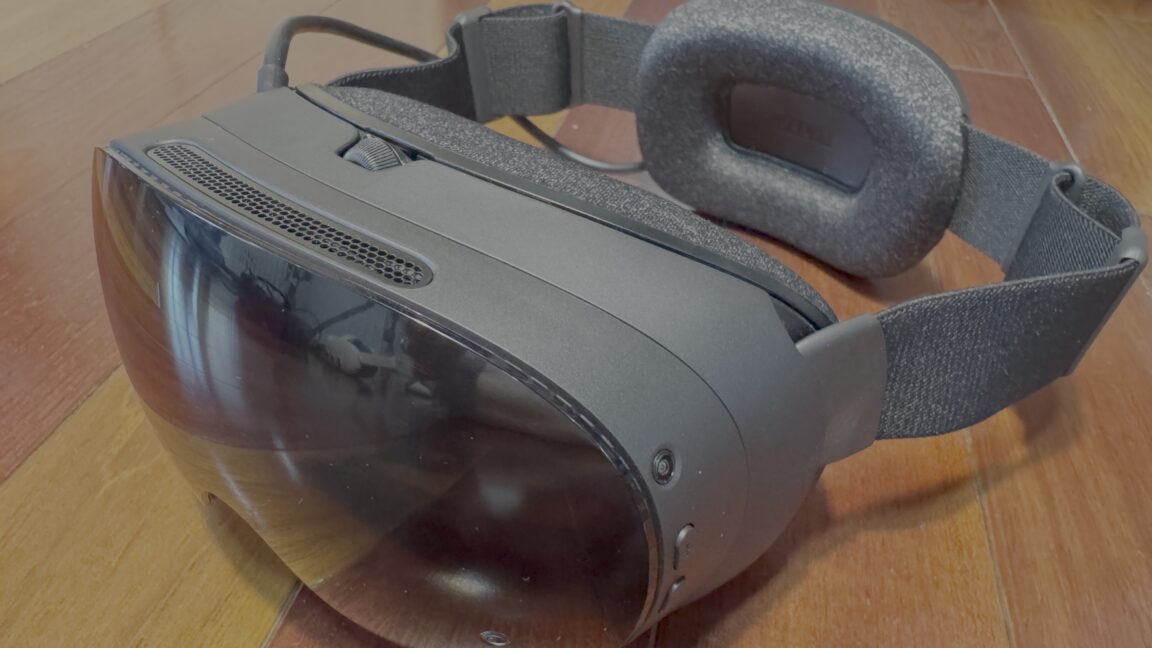
The Steam Frame prioritizes comfort with a total weight of 440g, achieved by distributing the weight with a battery pack integrated into the rear headstrap. This design aims to reduce the front-heavy feel common in other VR headsets. The headset features pancake optics, a 144 Hz refresh rate, and a resolution of 2160 x 2160 pixels per eye, offering a 110-degree field of view. It also includes inside-out tracking via outward-facing cameras, eye-tracking for foveated rendering, and an SD card slot for storage expansion. A 1TB storage version is available for $1,299.
However, the headset's performance is hampered by its limitations. The self-contained head tracking can lead to noticeable juddering and image ghosting during quick movements. Battery life is a significant issue, with the headset lasting only about 1.5 hours in 'Performance' mode, which maximizes graphical settings. The internal fan also produces a constant audible whine and blows hot air. Switching to 'Playtime' mode extends battery life but compromises graphical fidelity and drops the refresh rate to 72 Hz, resulting in blurrier visuals and more jittery animations.
For optimal performance and battery life, Valve suggests wireless streaming of PC-based VR games using the included 6 GHz Wi-Fi USB dongle, which reportedly offers a consistent and low-latency experience.