Silicon Valley hardware startups attract renewed VC interest
IN SHORT
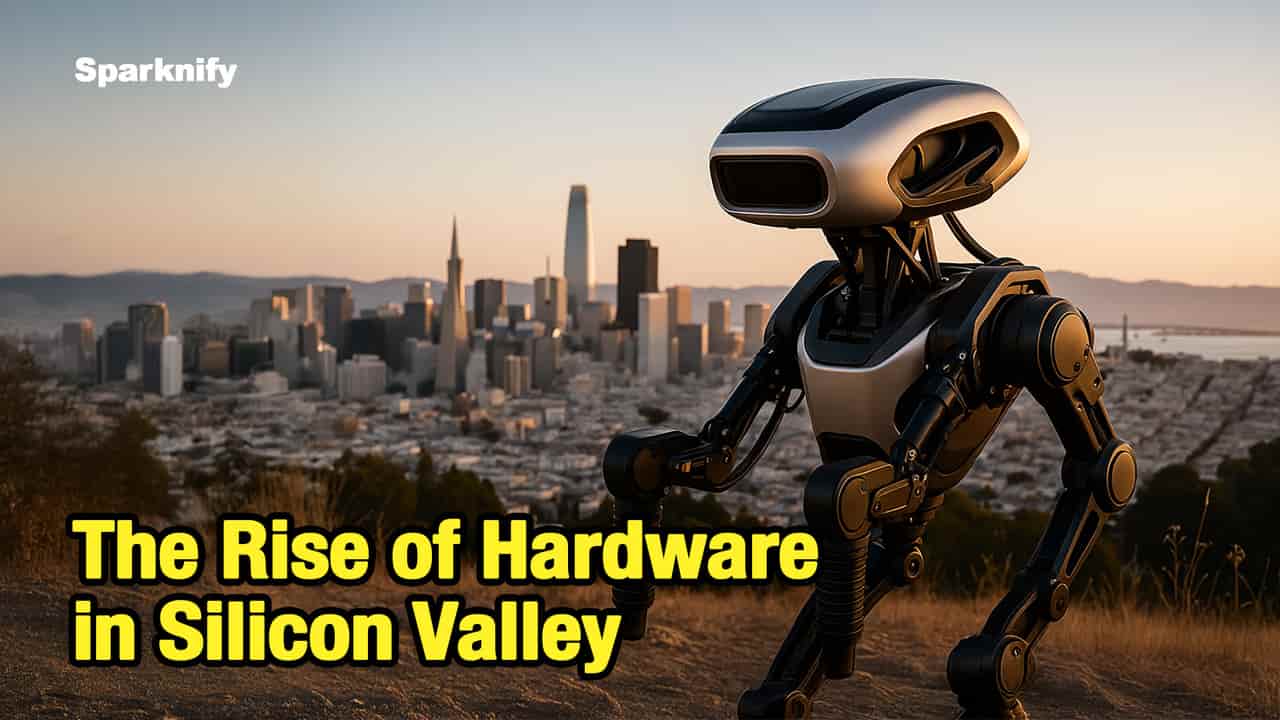
Silicon Valley is experiencing a resurgence in hardware innovation, with venture capital increasingly flowing into "deep tech" startups focused on semiconductors, robotics, and AI-native edge devices. This shift marks a departure from the long-held dominance of software-centric business models, driven by the need for physical machines to execute AI-driven decisions and a growing emphasis on supply-chain resilience.
Key Numbers
59%higher median revenue multiples for hardware-enabled companies compared to other
20%of global venture capital went to AI-focused companies in 2020
Who's Involved
Silicon Valley
tech ecosystem redefining itself with a focus on hardware and advanced manufacturing
Venture capital
increasingly funding deep tech and hardware startups with a new emphasis on capital efficiency
AI
driving the need for hardware capable of physical interaction and decision execution
Silicon Valley Bank
reported higher revenue multiples for hardware-enabled companies in its 2024 Frontier Technology Report
↳ Why This Matters
The renewed focus on hardware in Silicon Valley signifies a fundamental shift in technological development and investment, potentially leading to new waves of innovation in physical industries and a rebalancing of the tech economy towards tangible assets and manufacturing.