Key facts
- SpaceX intends to launch its Starship mission on September 22, pending regulatory approval.
- This will be the first attempt to launch the Starship vehicle into orbit.
- The launch is targeted for 7:15 am local time in Texas, with a 75-minute window.
- The rocket will carry 26 Starlink V3 satellites.
- The Starship upper stage aims to complete six orbits before splashing down after approximately 10 hours.
- Previous test flights have seen issues with engine relighting and atmospheric re-entry.
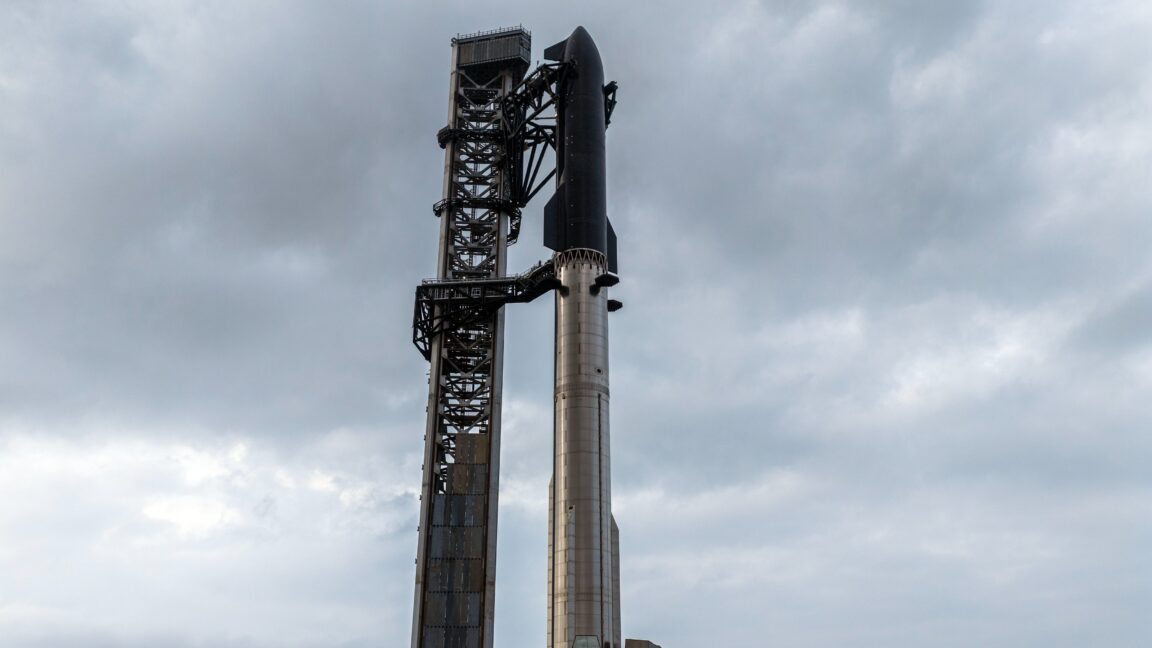
SpaceX has set a target launch date of September 22 for the first orbital flight test of its Starship rocket, pending regulatory approval. This mission represents a significant step in the company's development of a fully reusable super heavy lift rocket.
The launch window opens at 7:15 am local time in Texas, with the rocket carrying 26 of the larger V3 Starlink satellites. The Starship upper stage is designed to complete six orbits around Earth before a planned splashdown approximately 10 hours after liftoff. This flight aims to achieve a major milestone in the Starship development campaign, which began with its first test flight on April 20, 2023.
SpaceX has been making continuous modifications to the vehicle, focusing on improvements to the Super Heavy booster and the Starship upper stage. Recent test flights have shown progress, though challenges remain. During the July 24 test flight, the first stage performed nominally during ascent, but experienced issues during atmospheric re-entry due to ice clogging in three center engines, leading to an early end of the boostback maneuver. The booster made a hard splashdown after only 8 of the planned 13 engines reignited. The upcoming mission's Super Heavy booster incorporates hardware changes to enhance engine filtering and software updates to improve relight reliability.