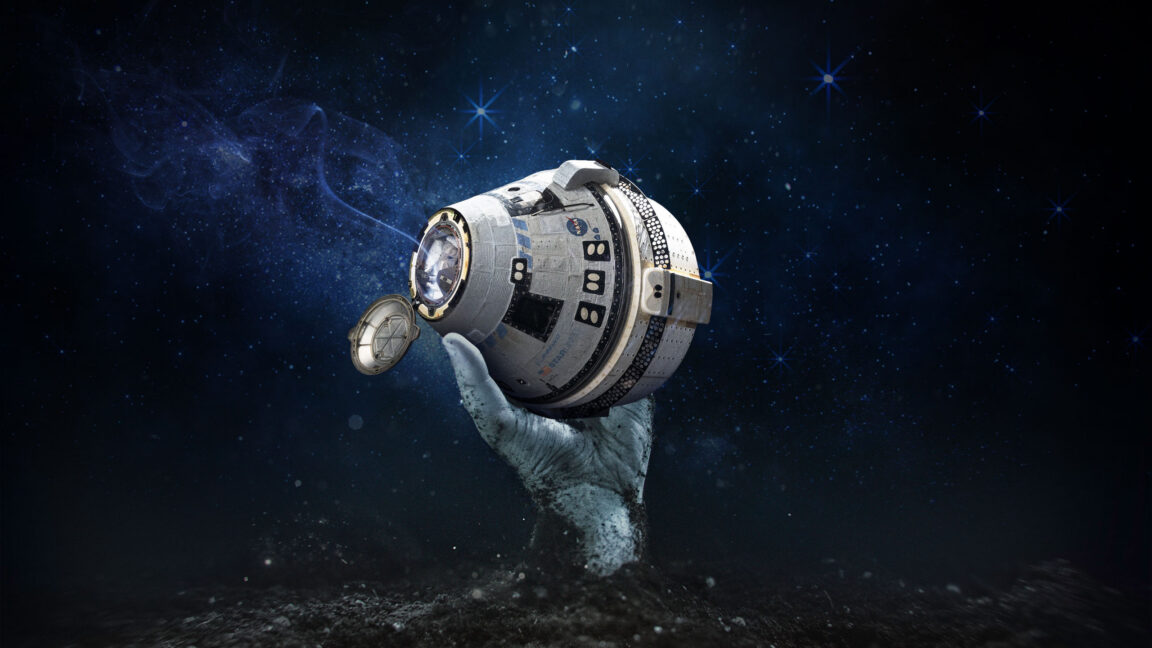
Key facts
- NASA will order two additional Boeing Starliner crewed missions.
- NASA will pay for repairs to Starliner's thruster issues.
- NASA will help certify Starliner for a new launch vehicle.
- SpaceX plans to retire its Crew Dragon spacecraft by 2030.
- NASA has paid SpaceX approximately $3.1 billion and Boeing $5.1 billion for the Commercial Crew program.
- Boeing has taken in excess of $2 billion in charges due to Starliner's challenges.
NASA is set to order two additional crewed missions for Boeing's Starliner spacecraft and will assist in certifying it for a new launch vehicle, as SpaceX plans to retire its Crew Dragon by 2030. These moves aim to ensure NASA has continued access to low-Earth orbit for astronaut transport.
Sources confirmed to Ars that NASA will announce these decisions soon, including funding to address Starliner's thruster issues that nearly caused a catastrophic loss of astronauts during its first crew test flight in June 2024. The agency is also providing support to certify Starliner on a new rocket, as its current launch vehicle, the Atlas V, is nearing retirement.
SpaceX's intention to retire Crew Dragon, the only operational spacecraft NASA currently uses for routine missions to the International Space Station, has prompted NASA's actions. SpaceX President and COO Gwynne Shotwell indicated the company is pivoting towards its Starship rocket and suggested Boeing should step up with Starliner, stating, "The government paid a lot of money for that."
NASA has invested significantly in the Commercial Crew program, paying SpaceX approximately $3.1 billion and Boeing $5.1 billion since 2010. While SpaceX has successfully completed 13 crewed missions with Crew Dragon, Boeing's Starliner has faced numerous issues, including the 2024 thruster problems that led NASA to classify the flight as a "Type A" mishap. Despite these challenges and over $2 billion in charges for Boeing, NASA is leaning on Starliner for future transport needs.