Key facts
- NASA is in talks with Boeing about using the Starliner spacecraft for new missions.
- NASA plans to order two additional Starliner crewed missions from Boeing.
- NASA will help fund fixes for Starliner's thruster issues.
- NASA will support the certification of Starliner for launch on a new rocket.
- SpaceX plans to retire its Crew Dragon spacecraft by 2030.
- NASA has paid Boeing $5.1 billion for the Commercial Crew program, compared to SpaceX's $3.1 billion.
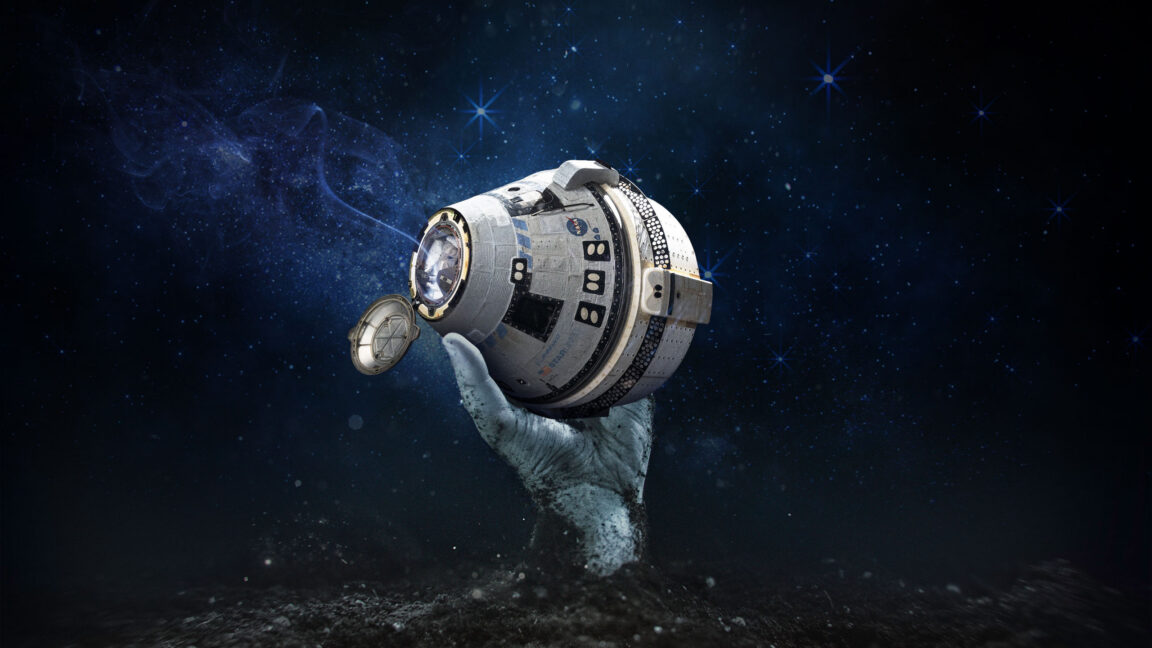
NASA is in discussions with Boeing to secure additional missions for its Starliner spacecraft, as SpaceX signals its intention to retire the Crew Dragon vehicle by 2030. This move aims to ensure NASA has continued access to low-Earth orbit for astronaut transport.
According to reports, NASA will announce plans to order two more Starliner crewed missions from Boeing. The agency will also contribute to fixing the spacecraft's thruster issues and assist in certifying its launch on a new rocket. These steps come after SpaceX indicated it would not commit to flying the Crew Dragon beyond its planned retirement.
SpaceX's decision to pivot towards its Starship rocket for satellite launches and other ventures has prompted NASA to seek alternatives for its human spaceflight needs. SpaceX President and COO Gwynne Shotwell suggested that Boeing, having received significant funding for Starliner development, should now step up and utilize its capsule.
NASA has invested heavily in the Commercial Crew program, paying SpaceX approximately $3.1 billion and Boeing $5.1 billion since 2010. While SpaceX's Crew Dragon has successfully completed 13 crewed missions to the International Space Station, Boeing's Starliner has faced numerous challenges, including thruster issues during its first crewed test flight in June 2024, which led to astronauts Butch Wilmore and Suni Williams being returned on a Crew Dragon. NASA Administrator Jared Isaacman acknowledged the agency shared some blame for the near-disaster, citing design and engineering deficiencies in Starliner.