Key facts
- Toyota is increasingly sourcing EV components from Chinese manufacturers for its vehicles sold in China.
- Estimates suggest up to 90% of parts in Toyota's bZ3X electric SUV are locally sourced.
- The bZ3X, priced at around $15,000 in China, has been a strong seller among joint-venture brands.
- Japanese suppliers linked to Toyota have reportedly lost contracts due to this shift.
- Honda has cited an inability to compete with Chinese EV technology as a reason for significant restructuring costs.
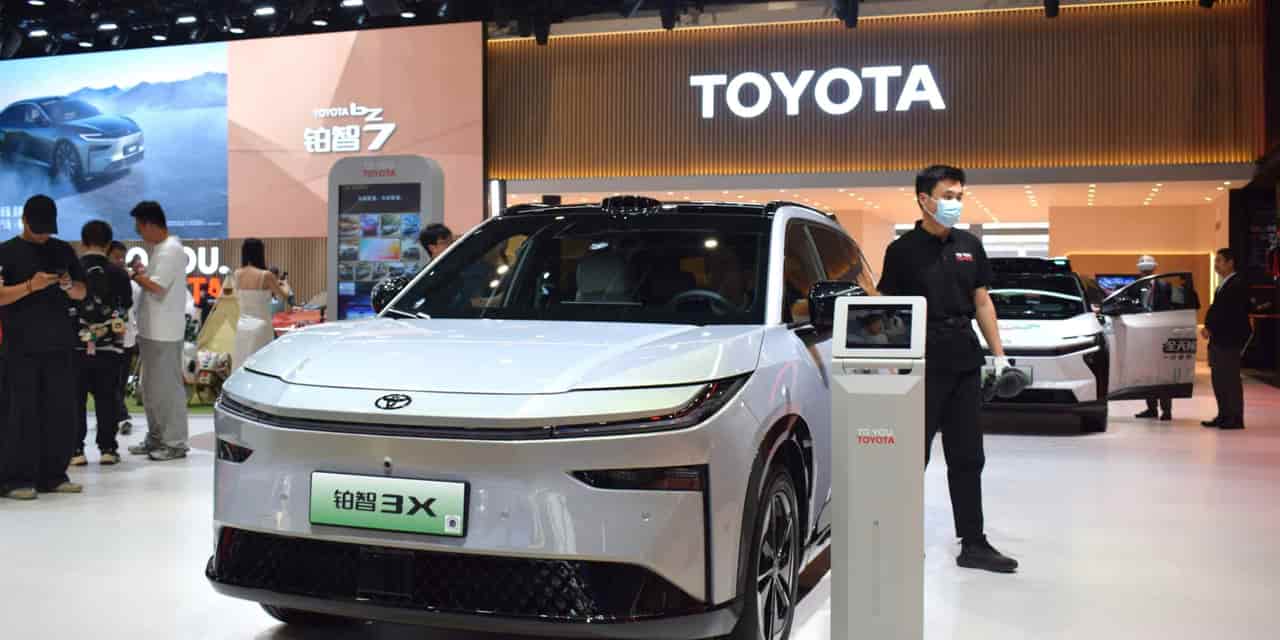
Toyota Motor is increasingly turning to Chinese parts makers for its electric vehicles, a strategy that is causing concern among its traditional Japanese suppliers. The automaker is leveraging China's advanced and cost-competitive EV technology to compete in the Chinese market, with some estimates suggesting that up to 90% of the components in its bZ3X electric SUV are sourced locally.
The bZ3X, which launched in China in March 2025 and sells for approximately $15,000, has been a successful model for Toyota, becoming the best-selling new energy vehicle among joint-venture brands in China from September 2025 through January 2026. This shift has reportedly led to many of Toyota's traditional Japanese suppliers losing their contracts.
Toyota's move reflects a broader trend in the automotive industry, where global automakers are increasingly relying on Chinese expertise and manufacturing for electric vehicles. China's dominance in battery electric vehicle sales, with companies like BYD and CATL leading global battery production, makes it a crucial market for EV components. Toyota's flagship EV, the bZ7, also incorporates around 30% Chinese components, and the company is reportedly considering using Chinese technology in EVs sold in Southeast Asia.
Other Japanese automakers are also facing similar challenges. Honda recently admitted it was unable to compete with Chinese EV technology, projecting restructuring costs of up to 2.5 trillion yen ($15.7 billion). This situation highlights the growing competitive pressure from Chinese manufacturers, who are outpacing Japanese companies in fast, low-cost development of EV components.