Key facts
- Manga like "Peleliu: Guernica of Paradise" are helping younger Japanese generations engage with World War II history.
- Kazuyoshi Takeda's manga, which follows an infantryman through the 1944 Battle of Peleliu, has sold 1.8 million copies.
- Publishers report rising sales of war-themed manga among readers under 30.
- Schools are increasingly using manga, such as "Peleliu" and "In This Corner of the World," in peace education.
- Historians and sociologists note that these works prompt questions about individual responsibility and the nature of war.
- Translated war manga from Korea and China are also gaining traction in Japan.
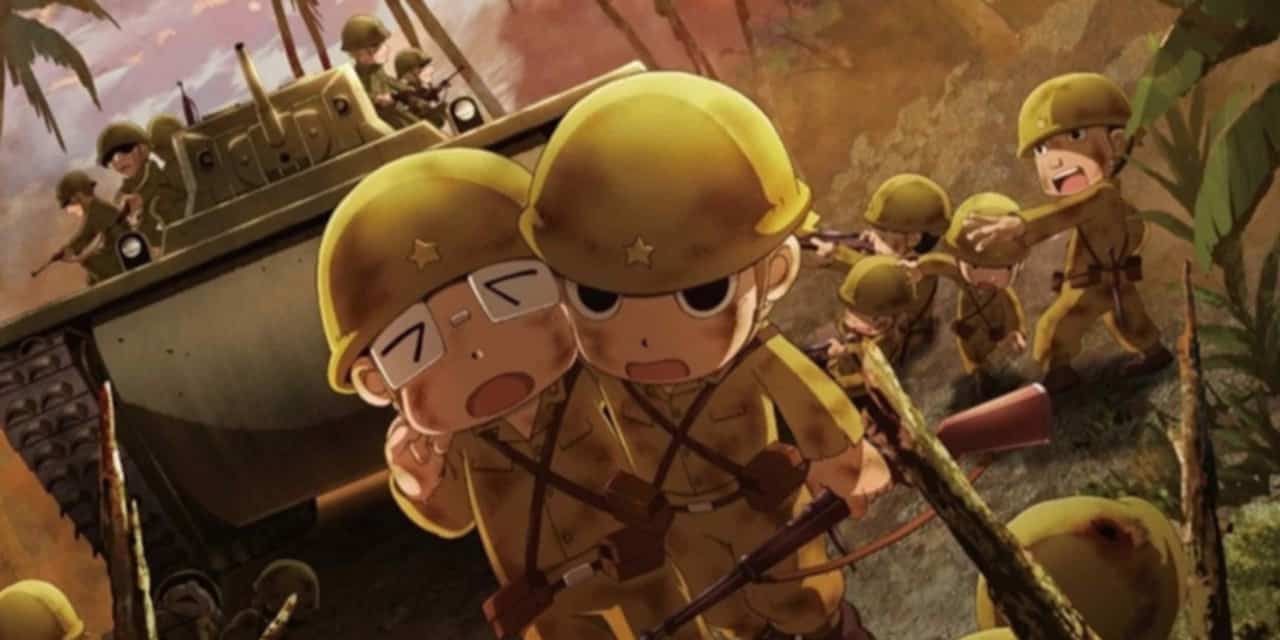
Japanese artist Kazuyoshi Takeda's manga "Peleliu: Guernica of Paradise" is part of a growing trend of anime and manga that are introducing World War II history to younger generations in Japan. The series, which debuted in 2016 and has sold 1.8 million copies, follows a kind-hearted infantryman through the brutal 1944 Battle of Peleliu, where 10,000 Japanese troops died. Takeda interviewed 40 survivors to depict the realities of war and the choices ordinary men faced.
Manga critic Tomohiro Machiyama noted that young readers are engaging with this history by asking themselves what they would have done in similar situations. This trend is reflected in rising sales of war-themed titles among readers under 30, and increased viewership for WWII anime on streaming platforms. The film "The Boy and the Heron" also drove searches for wartime events.
Educational institutions are recognizing the impact of these works. In 2022, the education ministry added "In This Corner of the World" to recommended reading lists, and a 2025 survey indicated that 68% of high school instructors use manga in peace education. Teachers utilize panels from "Peleliu" to discuss topics like civilian casualties and military discipline.
However, some critics, like historian Yuki Tanaka, caution that fiction can sometimes simplify complex historical responsibilities by focusing on individual soldiers rather than the institutions that sent them to war. Takeda maintains his work serves as a warning, not glorification. The debate over how these narratives shape understanding is particularly relevant as revisionist politicians advocate for changes to Japan's pacifist constitution, with a 2026 poll showing increasing support among young voters.