Key facts
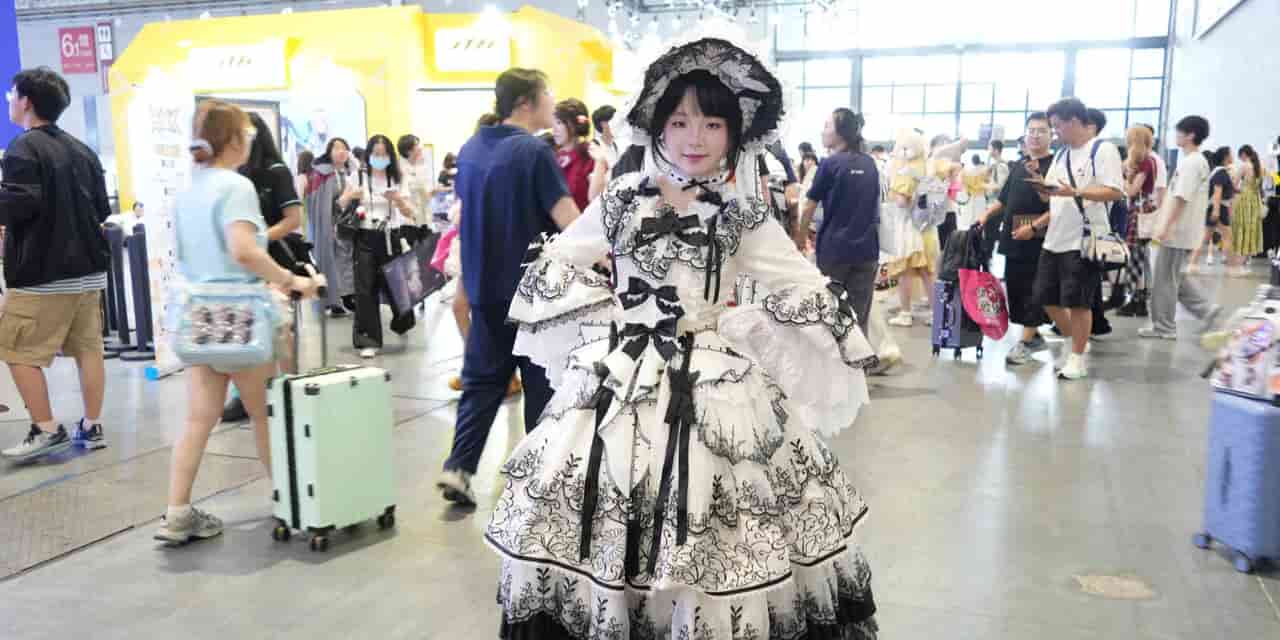
- Lolita fashion, known for frills, lace, and doll-like aesthetics, is becoming popular among young women in China.
- The trend is driven by social media, Japanese anime and films, and a desire for individuality and self-expression.
- Chinese consumers are increasingly favoring products that offer emotional satisfaction, known as the 'emotional economy'.
- The Chinese Lolita fashion market is expected to grow from 6.8 billion yuan ($1 billion) in 2024 to 15.6 billion yuan by 2030.
- Over 180 Lolita-related events were held in China in 2024, generating approximately 980 million yuan in sales.
- JETRO's Shanghai office organized a pop-up store event in Shanghai from June to August 2026, showcasing 19 Japanese brands.
Lolita fashion, a style originating in Japan in the 1990s characterized by its frills, lace, and doll-like aesthetics, is experiencing a surge in popularity among young women in China. The trend is being amplified by social media platforms, Japanese anime, and films, resonating with a generation seeking individuality and self-expression. This growing subculture is transforming into a significant consumer market, with Japanese brands increasingly establishing a physical presence in China to capitalize on demand.
According to a Chinese industry body, the country's Lolita fashion market is projected to expand from 6.8 billion yuan ($1 billion) in 2024 to 15.6 billion yuan by 2030. Data from the Japan External Trade Organization (JETRO) indicated that over 180 Lolita-related events were held across China in 2024, generating approximately 980 million yuan in on-site sales. This demonstrates a market that extends beyond online retail, fueled by what is known in China as the 'emotional economy,' where consumers prioritize products offering emotional satisfaction.
JETRO's Shanghai office organized a pop-up store event from June to August 2026, featuring products from 19 Japanese Lolita brands and including appearances by Chinese influencers. The event aimed to promote Japanese brands in China, where consumers are noted for being brand-conscious, with many regularly purchasing garments priced over 1,000 yuan each. The style is often grouped with other cosplay-related styles like 'hanfu' and Japanese-style school uniforms under the online term 'three obsessions,' highlighting the deep immersion enthusiasts have in these subcultures.