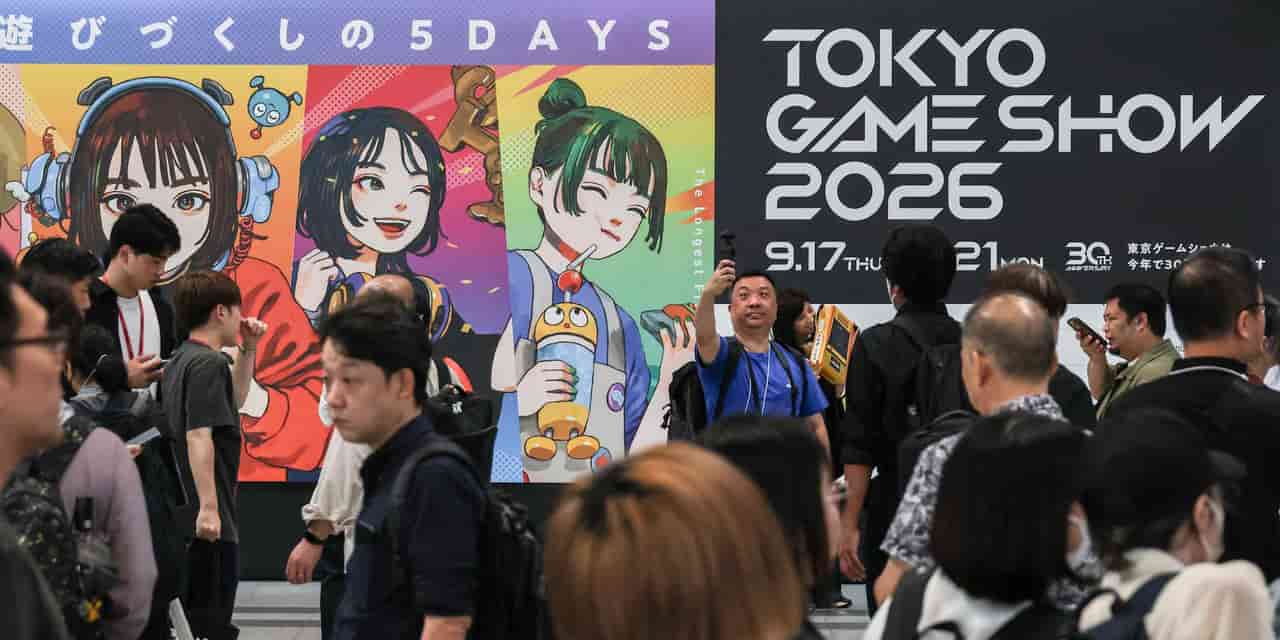
Key facts
- The Tokyo Game Show (TGS2026) is celebrating its 30th anniversary.
- This year's TGS features 759 exhibitors from 51 countries and regions, a record number.
- Exhibitors from mainland China and Hong Kong have decreased by over 40% compared to last year.
- Chinese mainland exhibitors dropped from 112 to 72, while Hong Kong exhibitors fell from 18 to 2.
- Major Chinese game companies like Tencent, NetEase, and miHoYo are absent.
- The decline in Chinese participation is attributed to worsening Japan-China relations and product development cycles.
The Tokyo Game Show (TGS2026) has opened with a record number of exhibitors and an expanded five-day schedule to celebrate its 30th anniversary. However, the event is marked by a significant decrease in participation from China and Hong Kong, with over 40% fewer exhibitors compared to the previous year. Mainland Chinese exhibitors dropped from 112 to 72, and Hong Kong saw a near 90% reduction from 18 to just 2.
Major Chinese gaming powerhouses such as Tencent, NetEase, Perfect World, and miHoYo, which previously occupied large booths and attracted long queues, are notably absent. This year's Chinese presence is largely dominated by smaller studios, independent developers, equipment suppliers, and AI companies. In contrast, Japanese domestic exhibitors saw a slight increase, and the overall decrease in overseas exhibitors was far less severe than that experienced by China.
Industry observers attribute this sharp decline to a combination of factors. Worsening diplomatic relations between Japan and China following political shifts in Japan are cited as a primary reason, leading major companies to adopt a cautious approach and avoid high-profile appearances during sensitive times. Additionally, a shift in product release cycles means that many of the major Chinese games that debuted at TGS in 2025 are now either launched or still in deep development, reducing the need for a significant presence at this year's show.