Key facts
- South Korea's top court overturned a 1992 ruling that classified tattooing as a medical act.
- For 34 years, only licensed doctors were allowed to ink tattoos in South Korea, with violations leading to fines or jail.
- The South Korean Tattoo Union provided legal support to at least 50 artists annually.
- An estimated 50,000-plus tattoo artists worked in South Korea while facing criminal prosecution.
- Japan's Supreme Court ruled in 2020 that tattooing is not a medical act.
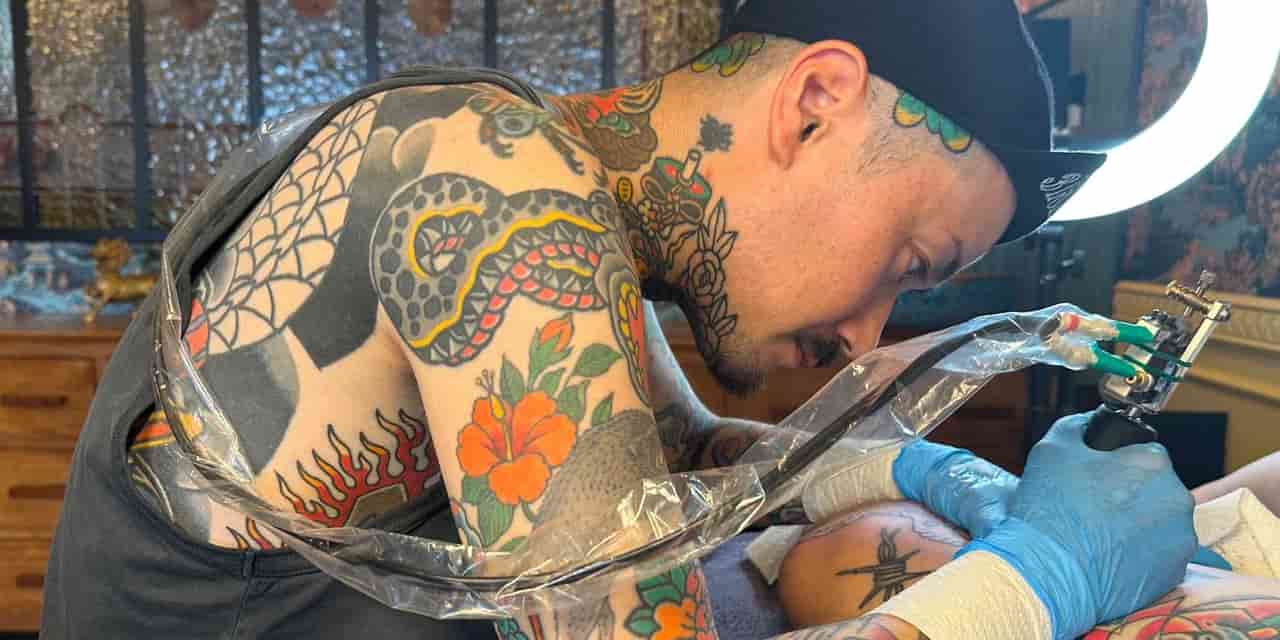
South Korea's top court has overturned a 1992 ruling that classified tattooing as a medical act, effectively ending decades of legal ambiguity and risk for tattoo artists. The decision, following a sustained campaign by artists and support from organizations like the South Korean Tattoo Union, means that tattooing is now recognized as artistic expression rather than an unlicensed medical procedure. This ruling brings South Korea in line with many other developed nations, where similar legal battles have already been resolved.
For 34 years, only licensed doctors were permitted to perform tattoos in South Korea, with violations punishable by fines or imprisonment. This legal framework, intended to address hygiene and safety concerns, also reflected conservative societal norms that associated tattoos with organized crime. Despite the risks, an estimated 50,000-plus artists operated underground, contributing to the global reputation of "K-tattooing" for its technical precision. The Tattoo Union reported supporting at least 50 artists annually facing legal challenges, with some cases tragically leading to artists' deaths.
Japan also saw significant legal shifts, with its Supreme Court ruling in 2020 that tattooing is not a medical act. This removed long-standing legal barriers for Japanese tattoo artists, though they continue to navigate restrictions and societal prejudice. While the legal victories in both countries are celebrated as major steps forward, artists acknowledge that challenges related to regulation and public perception persist.