Key facts
- Vietnam will ease foreign investment restrictions in its retail sector.
- Japanese retailers like Aeon will no longer require additional reviews for opening multiple stores.
- The Economic Needs Test (ENT) will be abolished for investors from countries with high-standard trade agreements.
- The requirement for Ministry of Industry and Trade consultation for retail licenses will be removed.
- A National Security Review mechanism will be introduced for dominant e-commerce platforms and large retail chains.
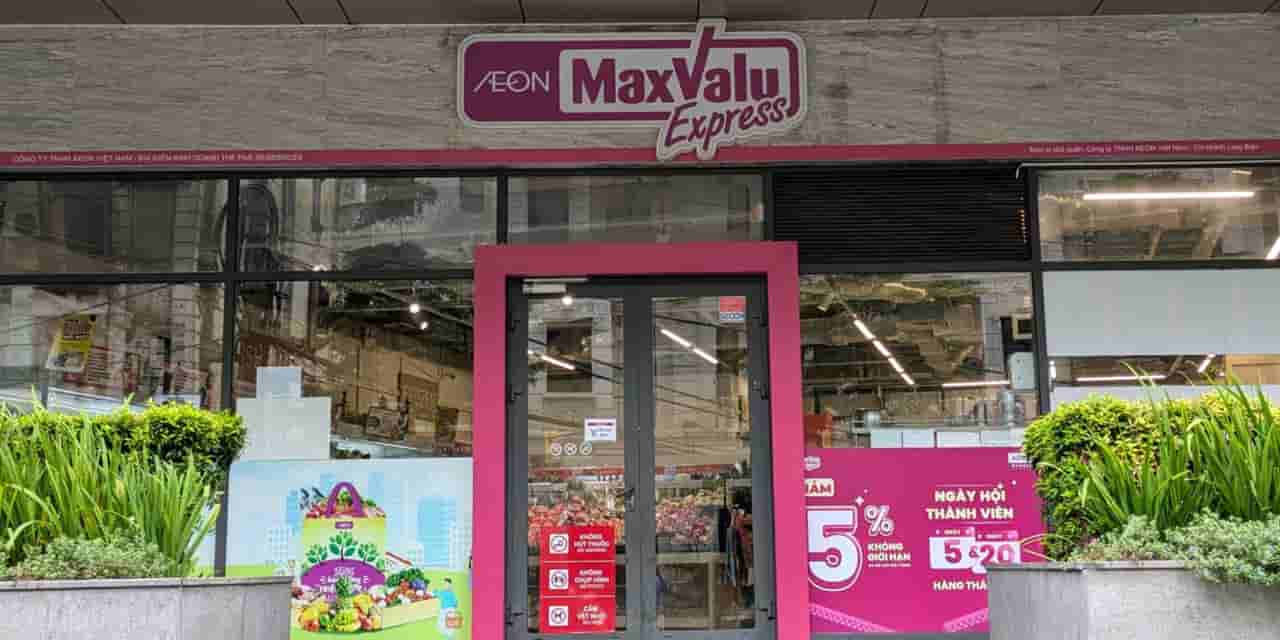
Vietnam is set to significantly ease restrictions on foreign investment in its retail sector, a move that will particularly benefit Japanese companies like Aeon with ambitious expansion plans in the country. The upcoming regulatory changes, outlined in a Draft Decree intended to replace Decree 09/2018/ND-CP, aim to streamline market access and align with international trade commitments.
Key among the proposed changes is the abolition of the Economic Needs Test (ENT) for "Treaty-Based Investors" from jurisdictions with high-standard trade agreements, including the CPTPP, ATISA, and EVFTA. This will allow for faster, scalable chain expansion without the lengthy council reviews previously required for each new store. Additionally, the requirement for "in-principle" approval from the Ministry of Industry and Trade for trading and retail outlet licenses will be removed, potentially slashing retail expansion timelines by 20-30% and enabling a more direct route to provincial licensing.
For Treaty-Based Investors, trading licenses are expected to have a longevity matching the project lifespan, often 50 years or indefinite, avoiding the strict 5-year cap applicable to others. However, the Draft Decree also introduces a National Security Review mechanism. This will trigger formal consultations with the Ministry of Public Security and Ministry of National Defense for foreign investors controlling dominant e-commerce platforms or those operating a significant number of physical stores, defined as over 100 small stores, 50 medium stores, or 30+ large outlets.
Japan is already a major foreign investor in Vietnam, with its businesses involved in manufacturing, distribution, and real estate. In the first quarter of 2026, Japan was among the top five countries for new FDI, contributing approximately $191.3 million. Japanese companies operating in Vietnam reported high profit levels in 2025, with many exporting to the US, underscoring Vietnam's importance as a manufacturing and market hub.