Key facts
- A record 22,878 foreign children were born in Japan in 2024.
- This represents a 50% increase from a decade ago.
- Non-Japanese newborns offset the decline in Japanese births by more than half.
- Chinese women comprised the largest group of foreign mothers, followed by those from the Philippines and Brazil.
- The number of legal foreign residents in Japan has risen to 3.95 million.
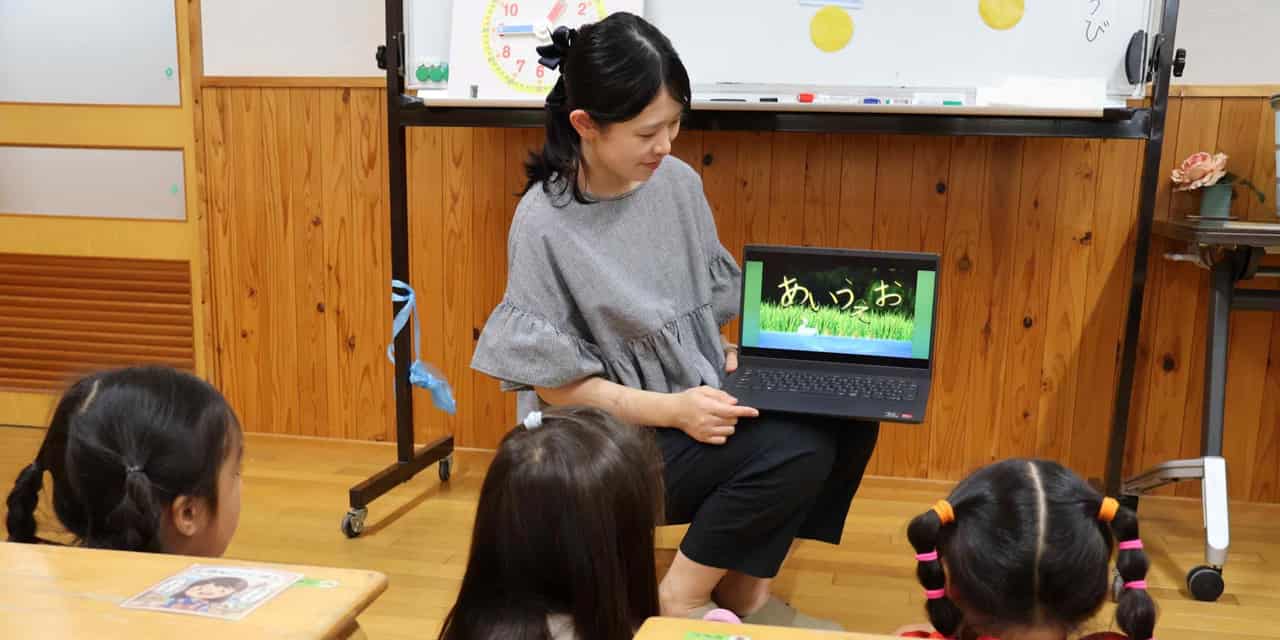
Japan is experiencing a significant rise in the number of babies born to foreign parents, a trend that is helping to mitigate the country's overall birthrate decline. In 2024, more than 22,878 children were born to non-Japanese couples, a record high and a 50% increase from a decade prior. These foreign newborns accounted for 3.2% of all births, offsetting more than half of the decline in births among Japanese couples. The demographic shift is particularly pronounced in manufacturing-heavy regions with a high concentration of foreign workers. Chinese women accounted for the largest group of foreign mothers, followed by those from the Philippines and Brazil. This increase reflects a broader surge in foreign residents, which has reached 3.95 million, many of whom are younger working-age individuals more likely to have children. The growing diversity is prompting local communities to adjust their support systems, with many relying on nonprofit organizations to provide services like language lessons for young children. Experts like Toshihiro Menju, a visiting professor at Kansai University of International Studies, have called for more comprehensive policies to aid foreign families and ensure the integration of foreign-national children into Japanese society, warning of potential societal division if such measures are not implemented.