Key facts
- India's economy faces near-term headwinds from unsettled relations with the US, global energy prices, and a lack of AI engagement, according to Chief Economic Adviser V. Anantha Nageswaran.
- Nageswaran cited ongoing tariff issues with the US that began last year as a persistent problem.
- He suggested that trade and energy pressures on India might be part of a larger global trend of choosing between rival blocs.
- Nageswaran stated that India, due to its geography and size, cannot belong to any single bloc and maintaining independence may lead to higher energy prices and supply disruptions.
India's economy is grappling with near-term challenges stemming from its relationship with the United States, global energy costs, and limited participation in the artificial intelligence sector, according to Chief Economic Adviser V. Anantha Nageswaran. He highlighted that ongoing tariff issues with the US, which began last year, continue to create friction.
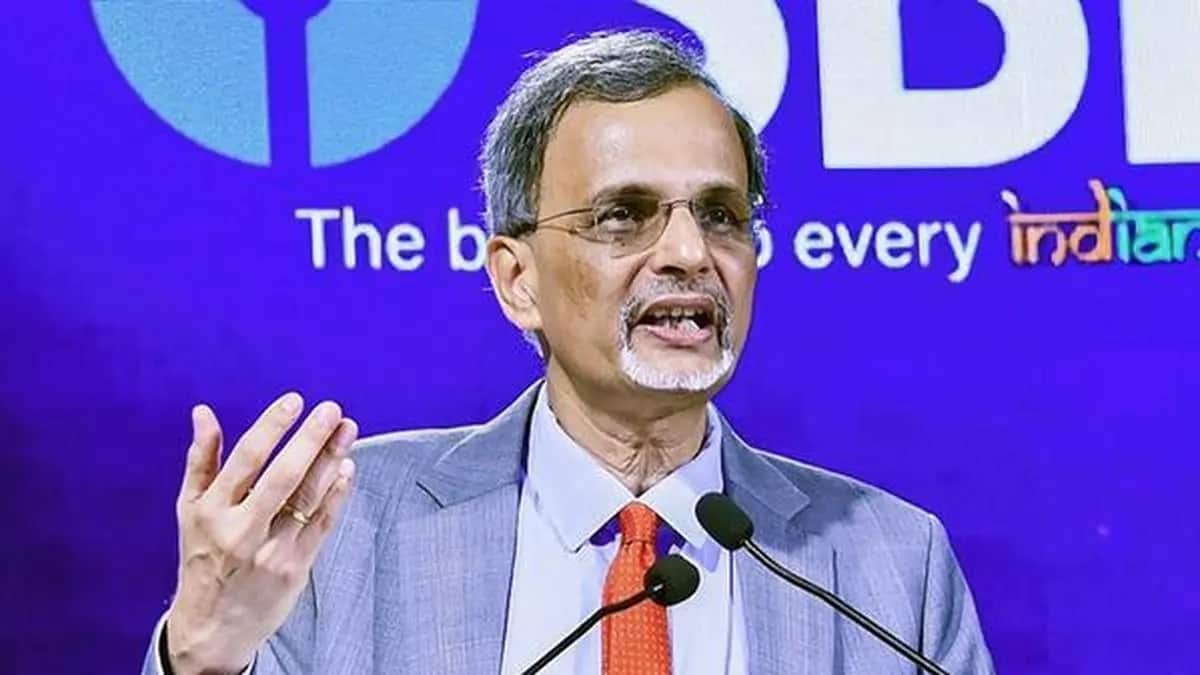
Nageswaran, speaking at a State Bank of India event on Thursday, described India's relationship with the US as being in an "uneasy equilibrium" due to persistent trade disputes. He noted that India faces a fresh tariff threat even after reaching an interim trade deal with Washington earlier this year. A new US law could allow President Donald Trump to impose levies of up to 100% on countries that purchase Russian oil and gas, adding to existing uncertainties as India and the US negotiate final tariff rates.
The Chief Economic Adviser suggested that these trade and energy pressures might also be indicative of a broader global push for countries to align with specific blocs. He stated that India, given its geographical position and size, cannot align with any single bloc and that maintaining its independence could result in higher energy prices and periodic supply disruptions.