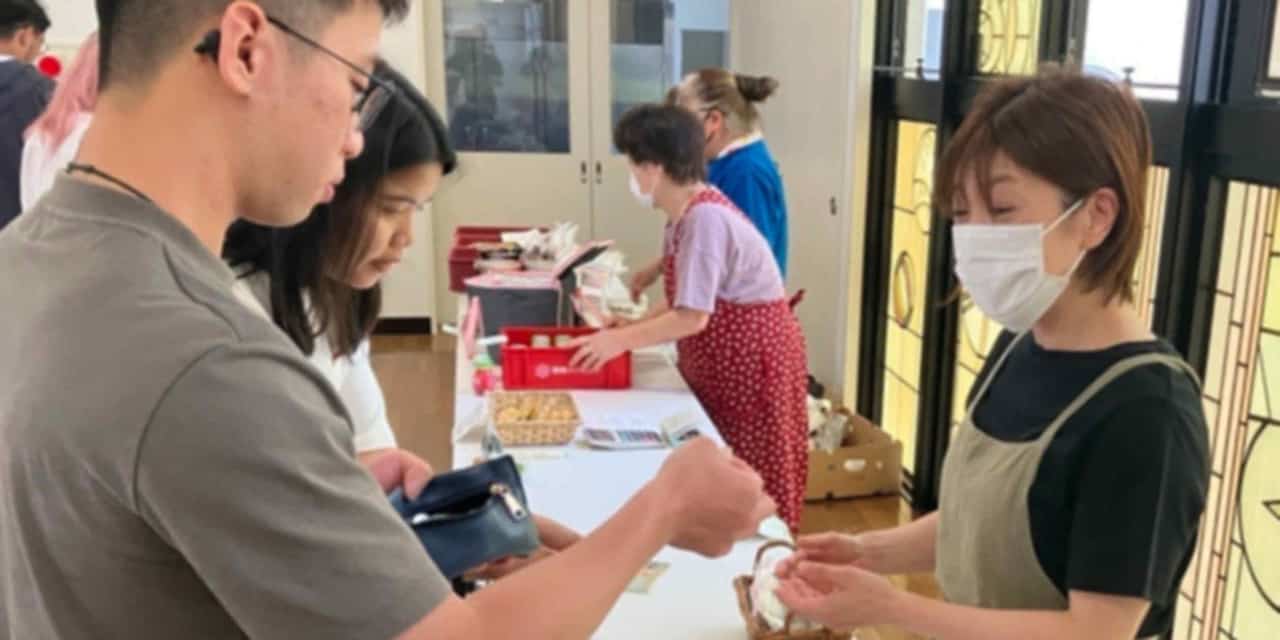
International students are increasingly choosing to stay in Japan's northern cities after completing their studies, offering a potential solution to the country's aging population and labor shortages. In Osaki, a city in northern Japan, a significant portion of students from a Japanese-language school are hoping to find long-term employment.
Meanwhile, the mountain village of Nanmoku in Gunma Prefecture, one of Japan's most rapidly graying municipalities, has established a sister-city relationship with Belen, Peru. With 65.2 percent of its residents aged 65 or older in 2020 and a population of just 1,337 as of July 2026, Nanmoku faces a severe labor shortage that threatens its essential services. Mayor Saijo Hasegawa expressed urgency, stating that the village might not survive in five years without new residents from overseas.
Nanmoku's previous attempts to attract people from within Japan have been unsuccessful. The sister-city agreement with Belen, facilitated by Masao Aizawa, aims to foster cultural exchanges that could eventually lead young Peruvians to settle and work in Nanmoku. The village plans to support them with Japanese-language studies and help them obtain qualifications in fields like nursing. However, the initiative faces hurdles, including some local opposition and uncertainty regarding the appropriate residency status for these workers.