Key facts
- Japanese firms' presence in China has declined 22% in two years, reaching the lowest number since 2010.
- Concerns over political risk, China's slowing economy, and regulatory opacity are driving the pullback.
- Vietnam and India are emerging as key alternative destinations for Japanese companies.
- The share of Japanese firms using China as a production base has dropped by 30% since 2019.
- The share of Japanese firms using China as a sales base has dropped by 50% since 2019.
- Mitsubishi Motors halted production in China and exited its joint venture in 2025.
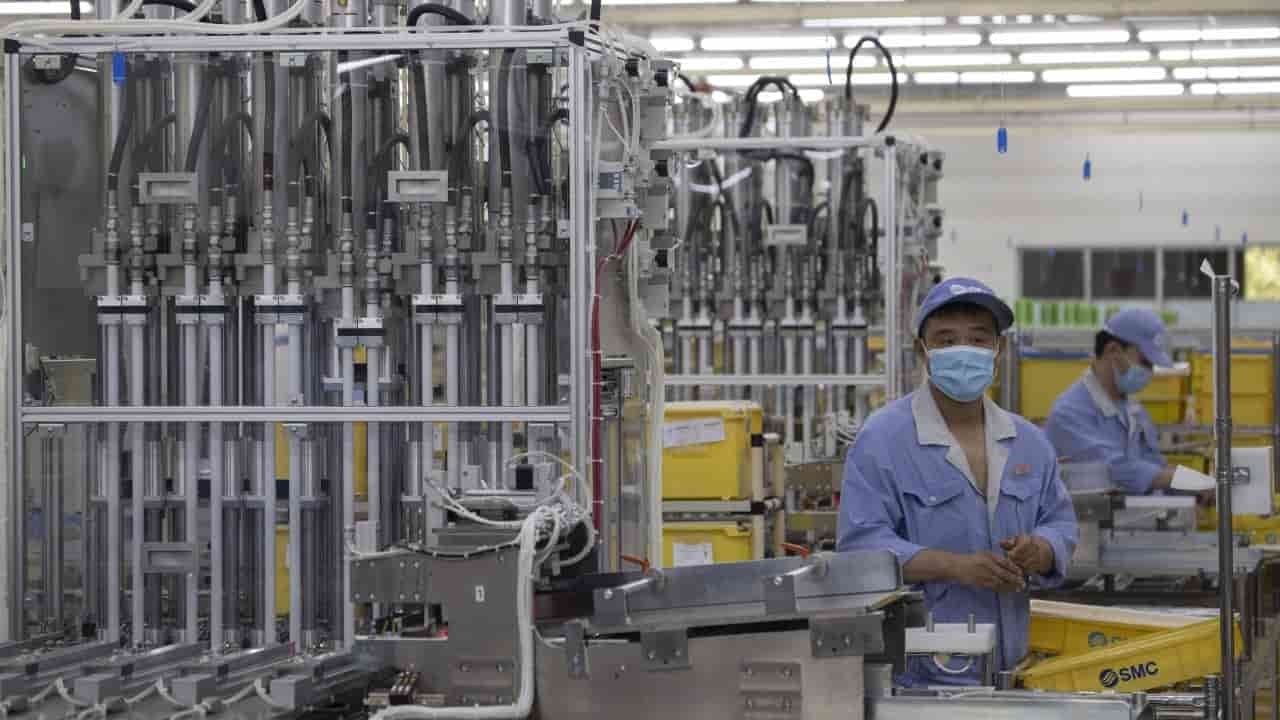
The number of Japanese companies operating in China has significantly decreased, with a 22% drop over the past two years bringing the total to 10,118 enterprises as of June, the lowest figure recorded since 2010. This pullback is attributed to a combination of prolonged geopolitical tensions between Beijing and Tokyo, concerns over China's economic slowdown including its real estate slump, and increasing wariness of the Chinese government's regulatory environment, particularly its National Intelligence Law.
A survey by Teikoku Databank revealed that the share of Japanese firms prioritizing China as a production base has fallen by approximately 30% since 2019, while its importance as a sales market has declined by about 50%. Companies cited political risks and the feeling that it is no longer safe to expand in China due to frequent policy shifts and tightening measures.
This trend is accelerating a strategic reassessment, with many Japanese companies actively scaling back their reliance on the Chinese market and diversifying their operations towards emerging economies like Vietnam and India. Vietnam has now surpassed China as the preferred production base for future expansion among surveyed firms. Some companies are even considering moving production back to Japan, citing reduced advantages of China as a manufacturing hub due to factors like past US tariffs. Mitsubishi Motors, for instance, halted vehicle production in China in 2023 and exited its joint-venture operations in 2025.