Key facts
- Japan recorded a record 238 bear casualties in fiscal 2025, with 13 fatalities.
- Bear attacks in the year up to March 2024 reached 219, with six deaths.
- Over 1,400 bear encounters were reported in rural areas last year, triple the average from a decade ago.
- Experts estimate Japan's bear population has surged to around 44,000 Asiatic black bears on Honshu and nearly 12,000 brown bears in Hokkaido.
- Factors contributing to the rise include food shortages, changing hibernation patterns, abandoned farmland, and fewer hunters.
- The Japanese government is loosening shooting restrictions and increasing local patrols.
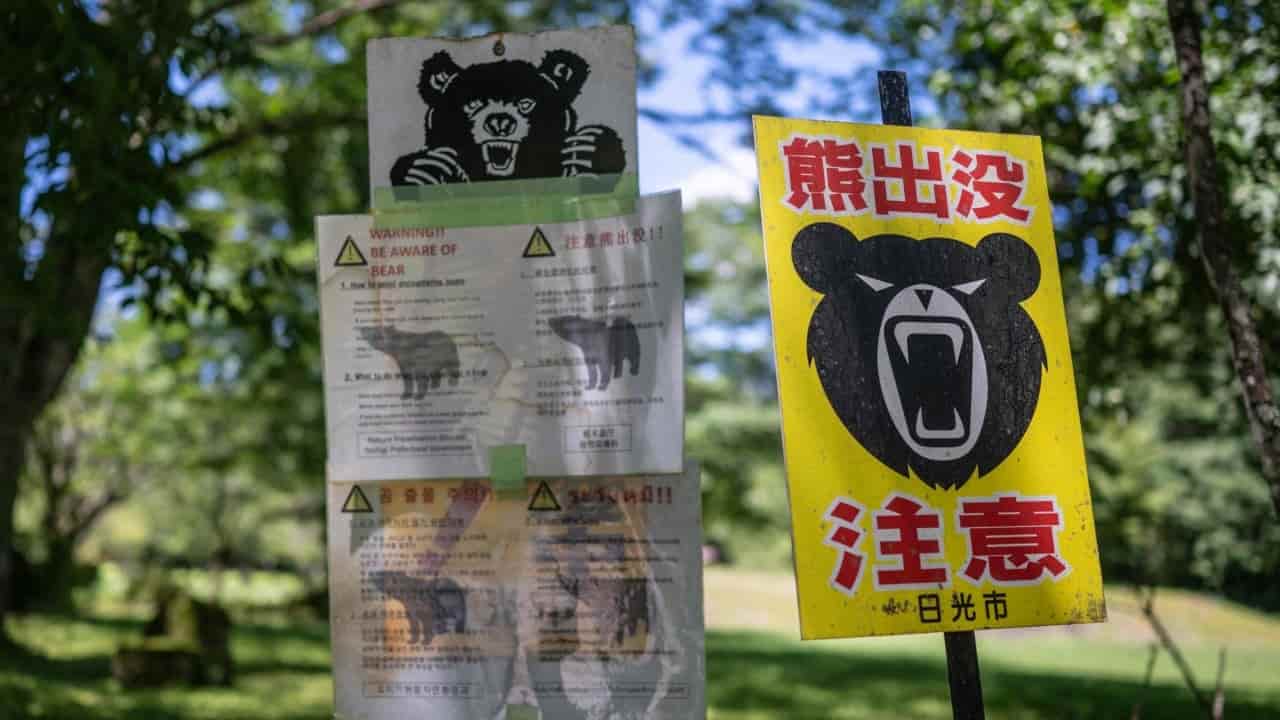
Japan is experiencing a record surge in bear attacks and encounters, with incidents spreading from rural areas into settled regions, including near Tokyo. In the fiscal year ending March 2025, the country recorded 238 bear casualties, including 13 fatalities, marking an all-time high. The previous year, up to March 2024, saw 219 attacks and six deaths. Bear sightings in rural areas have also tripled over the past decade.
Experts attribute this alarming trend to several interconnected factors. Poor harvests of acorns and nuts are driving hungry bears into towns in search of food. Warmer winters and climate shifts are delaying hibernation, leading to more prolonged encounters with humans. The abandonment of farmland due to rural depopulation creates "edge zones" where human and bear habitats increasingly overlap. Furthermore, stricter hunting laws and declining numbers of hunters have allowed bear populations to rebound significantly, with estimates suggesting around 44,000 Asiatic black bears on Honshu and nearly 12,000 brown bears in Hokkaido.
Younger bears are reportedly growing up without the innate fear of humans that previous generations possessed, as they are born and raised closer to settlements. This has transformed what was once a regional issue into a nationwide concern. In response, the Japanese government is implementing new countermeasures, including loosening shooting restrictions in bear-prone areas and increasing local patrols. The government also aims to triple the number of local bear management personnel to approximately 2,500 by 2030 to address the growing problem.