Key facts
- At least 60 people have died nationwide due to floods since mid-September.
- Bangkok received about 300mm of rain in late September, equivalent to half a year's average rainfall in London, over two days.
- Thailand's household debt-to-GDP ratio stood at 85.2% at the end of June, among the highest in Asia.
- The Bank of Thailand estimates that without solving the household debt problem, returning to potential growth of 2.7% is difficult.
- Buy-now-pay-later accounts surged to 6.3 million in 2022 from 620,000 in 2021, with loans rising from 6.8 billion baht to 40.7 billion baht.
Deadly monsoon floods have inundated Thailand since mid-September, claiming at least 60 lives and causing widespread destruction to homes, crops, and livestock. The economic toll is mounting as factories have also been flooded.
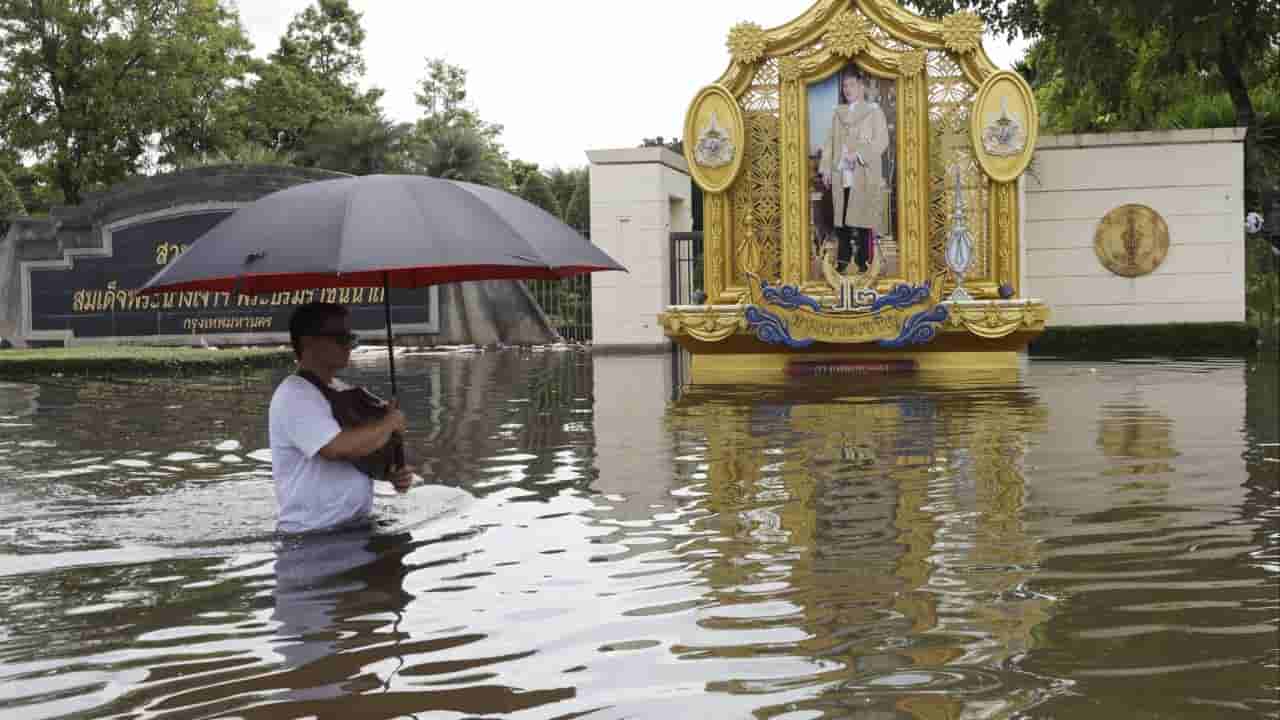
Bangkok, built on a floodplain, experienced a critical breaking point in late September when approximately 300mm of rain fell over three days, overwhelming its drainage system. While floodwaters have largely receded from the capital, many neighborhoods were transformed into stagnant lakes, with residents using makeshift boats like floating fridges to navigate submerged streets. The government declared a flood disaster across all 50 of Bangkok's districts.
Authorities reported around 40 deaths in flood-related incidents in Bangkok alone, with causes including drowning and electrocution. Thousands of people have been displaced and are staying in over 230 shelters. The flooding has also disrupted transportation, with Thai Airways experiencing flight cancellations due to staff shortages and many schools closing.
Central Prachinburi province has been particularly hard-hit, with 19 deaths reported and over 188,000 people affected by overflowing rivers. Flooding remains ongoing in 27 of Thailand's 77 provinces.
The city is now engaged in a massive clean-up effort as it prepares to host the International Monetary Fund (IMF) and World Bank meetings, scheduled to begin next week. Prime Minister Anutin Charnvirakul has directed government agencies to manage the situation to minimize disruptions to the international gatherings.
Household debt is a significant concern for Thailand's economic growth ambitions, with the average debt-to-GDP ratio at its highest in 18 years. Business owner Kavita Wongyakasem owes 10 million baht to financial institutions and 2.1 million baht to informal lenders, an increase from three years ago. She fears she may not live to repay her debts, which she used to support her household and small business. The IMF has warned that high household debt could impede structural transformation by constraining disposable household income and investment in human capital.