Key facts
- A Moscow museum, previously dedicated to Stalin-era repression, now screens serene family scenes and narratives of pre-World War II Soviet life.
- The Gulag History Museum, which documented millions of killings and imprisonments under Joseph Stalin, has been replaced by a new museum.
- The Gulag History Museum was shuttered in 2024, with its exhibits reportedly moved to storage.
- Criticism of Russia's past is now considered unpatriotic following the country's assault on Ukraine in 2022.
- The new museum focuses on the "genocide of the Soviet people" and the "Great Patriotic War" (WWII), omitting details of internal repressions.
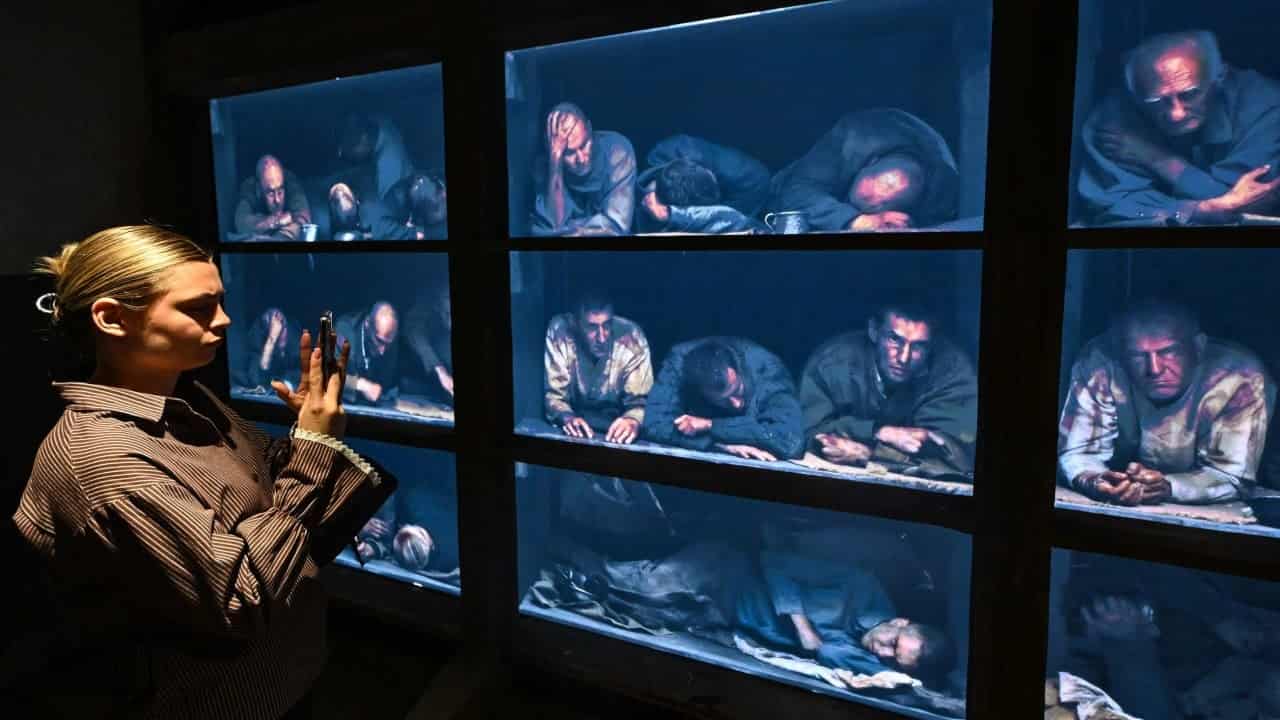
In Moscow, a museum that once served as a repository for evidence of Stalin-era repression has been transformed into a space that glosses over the country's dark past. The new "Museum of Memory" now screens tranquil pre-World War II Soviet scenes and narratives of suffering during the "Great Patriotic War" (World War II), while omitting details of internal killings and imprisonment.
The award-winning Gulag History Museum, which had for years shed light on the millions persecuted under Soviet dictator Joseph Stalin, has been replaced. The Gulag museum was "temporarily" shuttered in 2024, reportedly due to fire safety violations, with its exhibits moved to storage.
Since Russia launched its assault on Ukraine in 2022, criticism of the country's past has been increasingly framed as unpatriotic, leading to the scrubbing of such narratives from textbooks and official discourse. The Kremlin has instead focused on rehabilitating Stalin's image, erecting statues and busts of him across Russia.
Historians estimate that up to 18 million people were imprisoned in the Gulag system between the 1930s and early 1950s, with at least 1.5 million deaths. Additional millions died in the Holodomor famine in Ukraine and as a result of forced population transfers. The Soviet Union also suffered the highest casualties in World War II, with an estimated 20-27 million deaths.
The new museum, which offers guided tours to small groups, features an AI-generated story of an imaginary family, the Lebedevs, recalling hardships during the Siege of Leningrad and in concentration camps. While displaying recreations of Nazi concentration camps, the museum's narrative focuses on external threats rather than internal state-sponsored violence.