Key facts
- Two cargo ships, Alfa Watan and Able, sank or were set ablaze by drone attacks in Bulgaria's economic zone on October 6.
- The Royad Mammadov, a Turkish-owned cargo ship, sank after a drone attack in Romania's economic zone on October 5.
- At least two sailors were killed in the attacks, and several others were injured or remain missing.
- Bulgarian Prime Minister Rumen Radev called the incidents an "unacceptable attack" and a "blatant violation of international law."
- Ukrainian President Volodymyr Zelenskyy stated that a joint investigation found the strikes to be a "Russian combined attack."
- European Union president Ursula von der Leyen described the attacks as "increasingly concerning" but noted circumstances are "still being established."
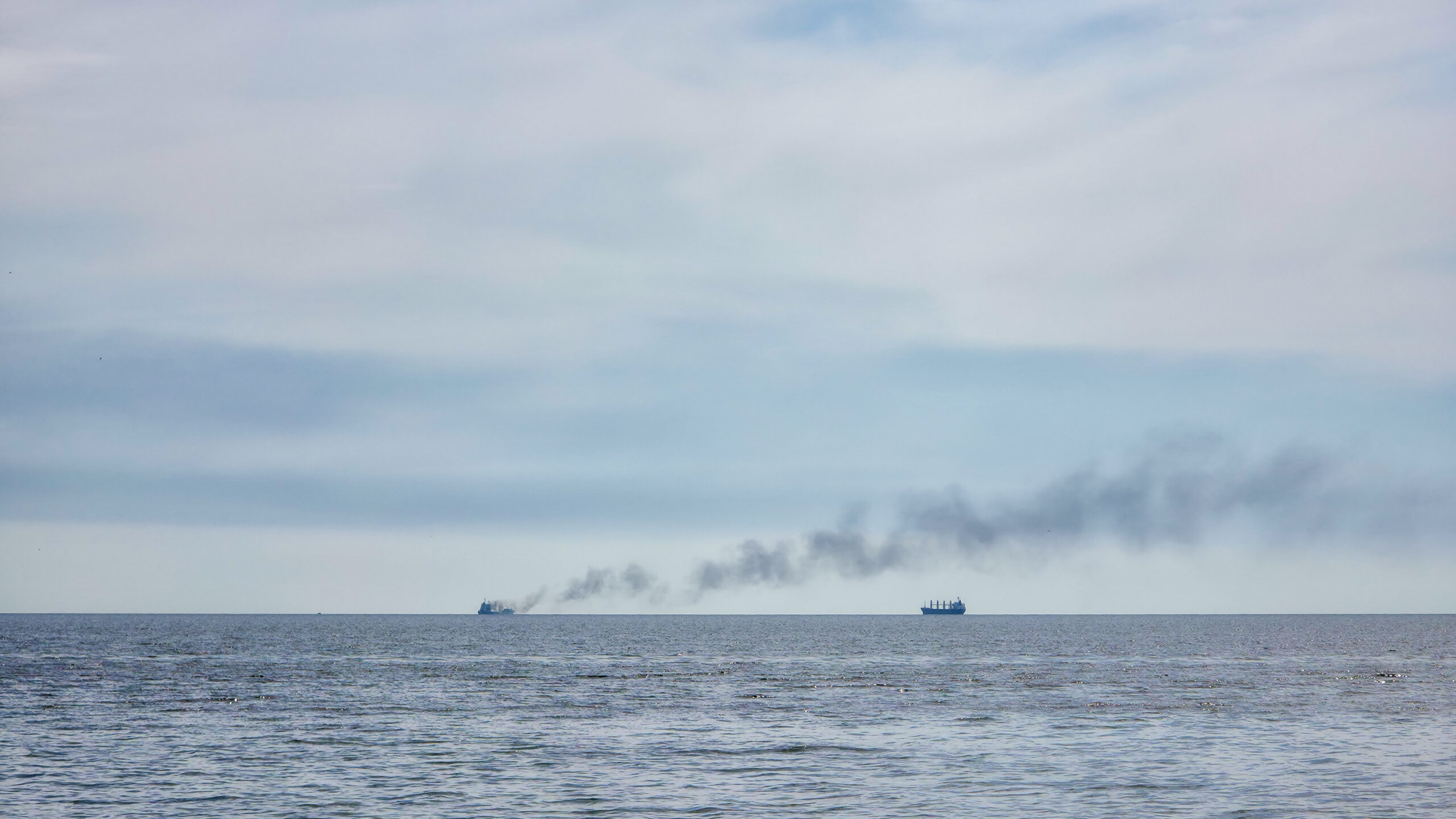
Drones, suspected to be Russian, sank two cargo ships and damaged a third in the exclusive economic zones of NATO member countries for the first time, killing at least two sailors and injuring others. The attacks, occurring on October 5 and 6, represent a notable escalation in Black Sea commercial shipping incidents amid Russia's invasion of Ukraine.
The Togo-flagged cargo ship Alfa Watan sank, and the Palau-flagged cargo ship Able was set ablaze by multiple sea and aerial drones about 80 miles (128 kilometers) off the coast of Bulgaria on October 6, according to the Associated Press. Bulgarian Prime Minister Rumen Radev described the incidents as "an unacceptable attack in Bulgaria’s exclusive economic zone" and "a blatant violation of international law and maritime law." The fate of the Alfa Watan’s crew was not immediately known. A Bulgarian ferry evacuated the 18 crew members of the Able, with two severely injured mariners flown to a hospital.
This follows an attack on October 5, when drones struck the Turkish-owned cargo ship Royad Mammadov within Romania’s exclusive economic zone. That ship caught fire and sank, with 11 crew members rescued by Romanian ships and helicopters, while one crew member remains missing. Two crew members were killed in that incident.
European Union president Ursula von der Leyen described the drone strikes as "increasingly concerning" but cautioned that the circumstances are "still being established," without naming a specific attacker. Ukrainian President Volodymyr Zelenskyy, however, described a joint investigation with Bulgaria’s navy as finding that the latest strikes represented a "Russian combined attack using both sea and aerial drones," according to Reuters. Zelenskyy also stated that Ukraine’s military was not conducting operations in that part of the Black Sea.
The attacks highlight the widening consequences of the war, with Ukraine having successfully challenged Russian naval control using drones. Russia has also increasingly deployed its own drones to attack commercial ships. The Able was carrying wheat, the Alfa Watan was heading north with unknown cargo, and the Royad Mammadov was reportedly carrying corn loaded in the Ukrainian port of Ismail.
These incidents coincide with a growing number of incidents attributed to Russian hybrid warfare or "gray-zone" tactics across Europe, including alleged sabotage and drone attacks in Romania, Germany, Estonia, and Poland. NATO member countries are reportedly rearming and adapting to modern warfare dominated by drones, while grappling with how to respond to provocative incidents from a nuclear-armed adversary.