Key facts
- US Vice President JD Vance said Iran must reduce its nuclear enrichment capacity to end the seven-month war.
- President Donald Trump stated that Iran's leadership is unclear.
- Washington is uncertain who makes decisions in Tehran, according to Vance.
- Supreme Leader Ayatollah Ali Khamenei was reportedly killed on February 28.
- Iran's Foreign Ministry spokesperson Esmaeil Baghaei said the US knows Iran's decision-making system.
US Vice President JD Vance stated that Iran must make a "meaningful" reduction in its nuclear enrichment capacity to end the seven-month war, even as Washington remains unsure about Tehran's decision-making process. Vance, who has played a leading role in negotiating a settlement, said any agreement would require concrete Iranian nuclear concessions, not just assurances of future actions.
Speaking after a campaign trip in Alaska, Vance emphasized that a reduction in enrichment capacity is a "basic threshold issue" for Iran to demonstrate commitment to not building a nuclear weapon. He noted that while the US is in talks with Iranian President Masoud Pezeshkian and Foreign Minister Abbas Araqchi, their authority within Iran's power structure is unclear, particularly after the reported killing of Supreme Leader Ayatollah Ali Khamenei on February 28, the first day of the war.
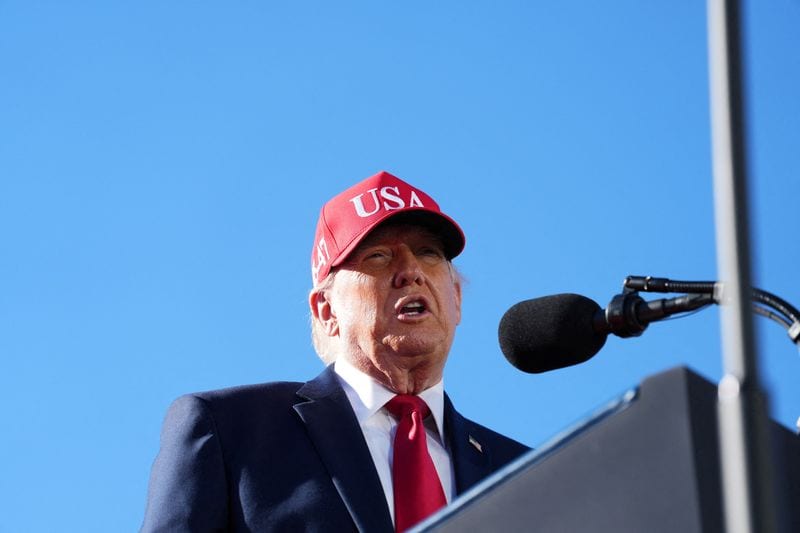
President Donald Trump separately commented that his "biggest problem" is that "nobody knows who is running Iran." However, Iran's Foreign Ministry spokesperson, Esmaeil Baghaei, countered on Sunday that US officials are well aware of their Iranian counterparts and Iran's decision-making system, attributing the issue to "contradictory positions and mixed messaging from US officials."
The war, which has jolted global energy markets, has become a political liability for Trump and Republicans ahead of the November midterm elections. Vance has been working to temper criticism of Trump's handling of the conflict.