Key facts
- President Trump ruled out attacks on Iran before the November 3 midterm elections amid 'productive' negotiations.
- Oil prices fell as geopolitical tensions eased, but tanker attacks and Hurricane Isaias pose future risks.
- US offshore drillers halted 1.3 million b/d of oil production and 57% of gas output due to Hurricane Isaias.
- Iran's atomic energy chief stated Tehran will not abandon uranium enrichment or surrender its existing stockpile.
- Ukraine's military stated its drones hit Gazprom Neft's 440,000 b/d Omsk refinery.
Oil prices declined on Friday as concerns over Middle East supply eased after U.S. President Donald Trump stated the country will not attack Iran before the November midterm elections. Brent crude futures fell 72 cents, or 0.7%, to $103.53 a barrel, and US West Texas Intermediate (WTI) crude futures dropped 52 cents, or 0.6%, to $90.97.
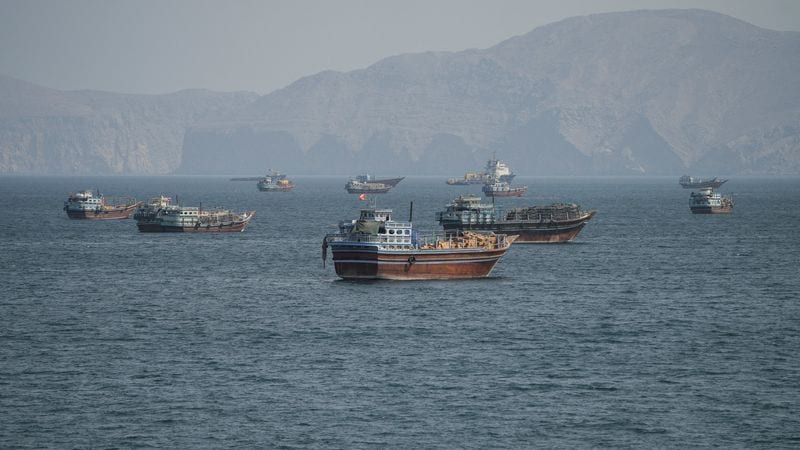
Trump's comments temporarily reduced escalation risks around the Strait of Hormuz, where Iran has been striking transiting tankers. However, potential damages from Hurricane Isaias in the Gulf of Mexico and ongoing tanker attacks continue to threaten fresh volatility.
In other energy news, Ukraine's military stated that its drones hit Gazprom Neft’s 440,000 b/d Omsk refinery, the largest downstream plant in Russia. Separately, Shell has partially restarted the 140,000 boe/d Pearl gas-to-liquids (GTL) facility in Qatar after a six-month halt.
US offshore drillers have halted two-thirds of offshore production in the Gulf of Mexico – around 1.3 million b/d – as well as 57% of gas output, due to Hurricane Isaias. Potential supply losses could reach 9 million barrels.
Iran’s atomic energy chief Mohammad Eslami said Tehran will neither abandon uranium enrichment nor surrender its existing stockpile, dismissing renewed US threats.
China has approved around 3.7 million tonnes of diesel, gasoline and jet fuel shipments for October, returning from a week-long holiday.