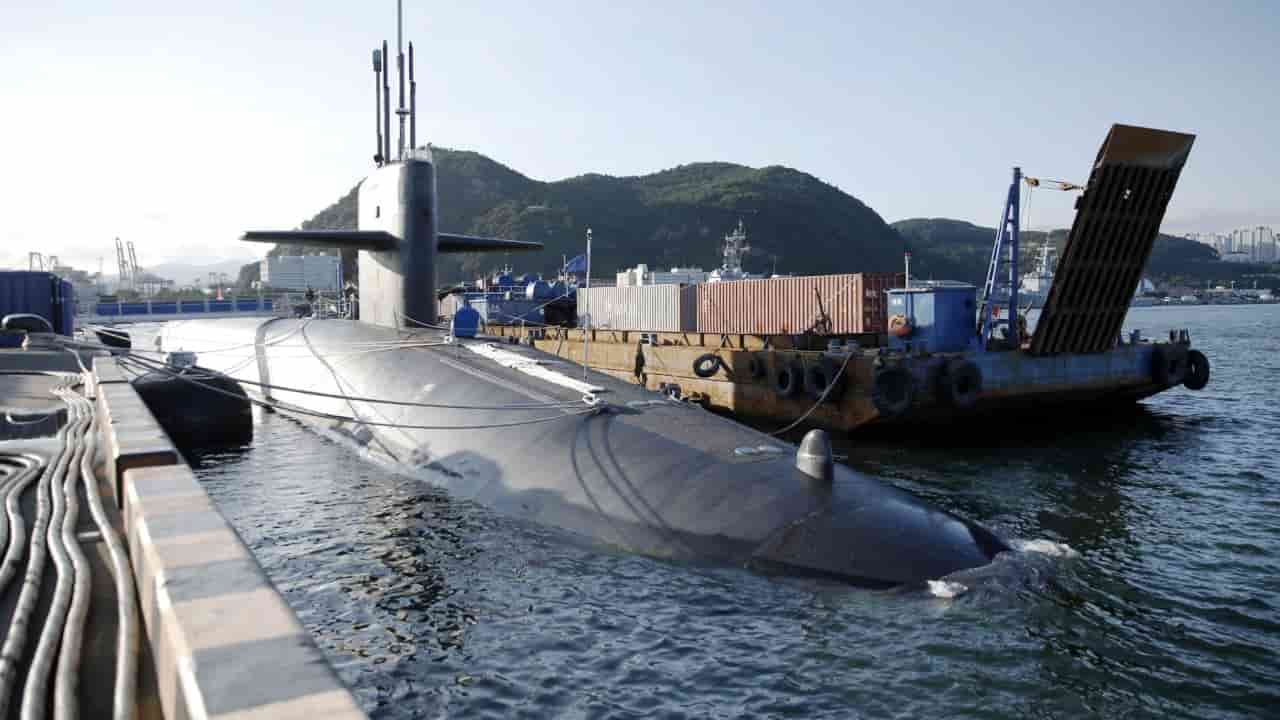
Key facts
- Japan may mention nuclear-powered submarines in revised security documents by year-end.
- The move is intended to promote discussion and bolster deterrence amid worsening regional rivalries.
- Proponents argue nuclear-powered submarines are essential for responding to China's expanding military activities.
- Japan has long maintained three non-nuclear principles prohibiting nuclear weapons.
- The government plans further consultations on the wording of the security documents.
Japan is considering including a reference to nuclear-powered submarines in its revised key security documents by the end of the year. This potential inclusion aims to foster discussion on the issue and enhance Japan's deterrence capabilities in response to escalating regional rivalries, particularly from China.
The idea has gained traction within Prime Minister Sanae Takaichi's administration and among some ruling coalition lawmakers, including the junior partner, the Japan Innovation Party. Proponents argue that nuclear-powered submarines, with their extended submerged operational capabilities, are crucial for maintaining Japan's response capacity as China's military presence grows in the Pacific.
However, the concept remains sensitive in Japan, the only nation to have suffered a nuclear attack, and adheres to long-standing non-nuclear principles. Past administrations have maintained that nuclear power cannot be used for Self-Defense Forces submarines. Any mention in the revised documents is expected to focus on further research and debate rather than a definitive decision to acquire such vessels. The government plans to finalize the wording after consultations with the ruling bloc and expert panels.