Key facts
- China and Pakistan have activated a joint commission to manage their shared border in the Kashmir region.
- India claims the territory where the new boundary protocol is established and rejects the agreement.
- The new commission is a continuing mechanism for managing an already demarcated frontier, not redrawing it.
- The commission will conduct joint surveys, maintain boundary markers, and deal with cross-border incidents.
- The agreement aims to deepen cooperation on border management, trade, and connectivity.
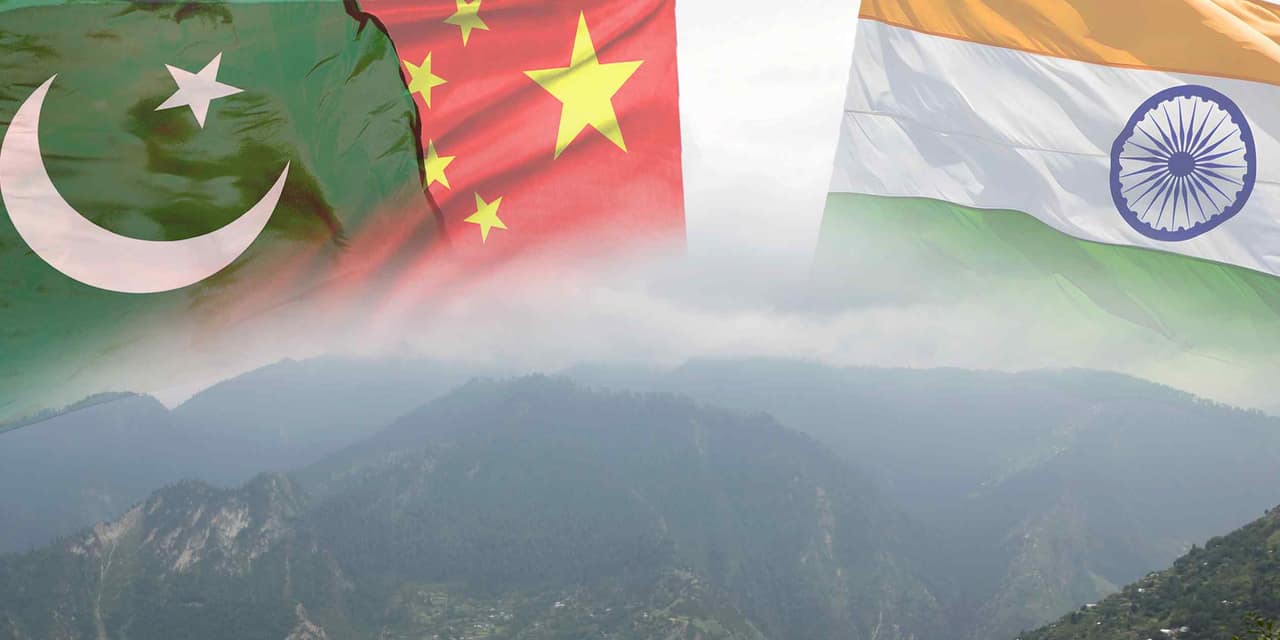
China and Pakistan have formalized a boundary in a disputed part of the Himalayas, a move that tests India's influence in the Kashmir region. The two countries inaugurated the China-Pakistan Boundary Joint Commission in Islamabad on September 16-17, 2026, under a 1963 agreement concerning the Shaksgam Valley.
India has rejected the agreement, stating it has no legal basis and does not recognize any Pakistan-China boundary in territory it claims as its own. The Indian foreign ministry asserted that Pakistan has no standing to enter into arrangements concerning Indian territory under its illegal occupation.
Analysts suggest the activation of this long-delayed protocol, originally provided for in a 2013 agreement, serves both practical and political purposes. It aims to enhance border cooperation, prevent illegal crossings, and protect strategic infrastructure linked to the China-Pakistan Economic Corridor (CPEC). Politically, it signals Beijing's continued view of Kashmir through a Pakistani lens, a stance China has historically maintained.
Pakistan maintains that Jammu and Kashmir remains a disputed territory, thus validating its 1963 boundary agreement with China. The new commission is described as a continuing mechanism for managing the already demarcated frontier, focusing on practical border issues like joint surveys, maintenance of markers, and incident management, rather than redrawing the boundary itself.