Key facts
- Approximately 25 countries have introduced structural policies to boost electrification since March.
- The war in Iran and closure of the Strait of Hormuz has accelerated clean energy transitions for energy security.
- A goal to meet 35% of global energy demand with electricity by 2035 will be a central pledge at COP31.
- Electricity currently accounts for 23% of global energy demand.
- Over 80 million kilometers of additional or retrofitted grid infrastructure will be needed by 2040.
- 50-60% of renewable energy projects in Vietnam, Thailand, and Indonesia were delayed or canceled between 2021-2025.
The ongoing geopolitical turmoil, particularly the war in Iran and the subsequent closure of the Strait of Hormuz, has significantly impacted global energy markets and spurred a rapid shift towards electrification policies in numerous countries. The closure of the Strait of Hormuz, through which a substantial portion of global oil and gas trade flows, has created energy security concerns, especially for import-dependent developing economies.
In response, approximately 25 countries have introduced structural policies to boost their clean energy transitions and electrification efforts since March. This strategic pivot aims to secure reliable, indigenous energy sources and mitigate future shocks from fossil fuel market volatility. Consequently, many emerging economies are now advancing their clean energy development and electrification at a pace that outstrips that of the United States.
Countries such as Brazil, Chile, El Salvador, Morocco, Kenya, and Namibia have reportedly surpassed the U.S. in their clean energy transitions. Projections indicate that by the end of 2025, a majority of emerging markets in Africa, Asia, and Latin America will derive more of their power generation from solar energy than the United States. Pakistan is noted for undertaking one of the fastest clean energy transitions globally.
This shift is driven by the unreliability and unaffordability of oil and gas in the face of geopolitical instability, contrasted with the inherent security of wind and solar power, which cannot be weaponized by foreign powers. Furthermore, the decreasing costs of renewable energy have made them increasingly viable.
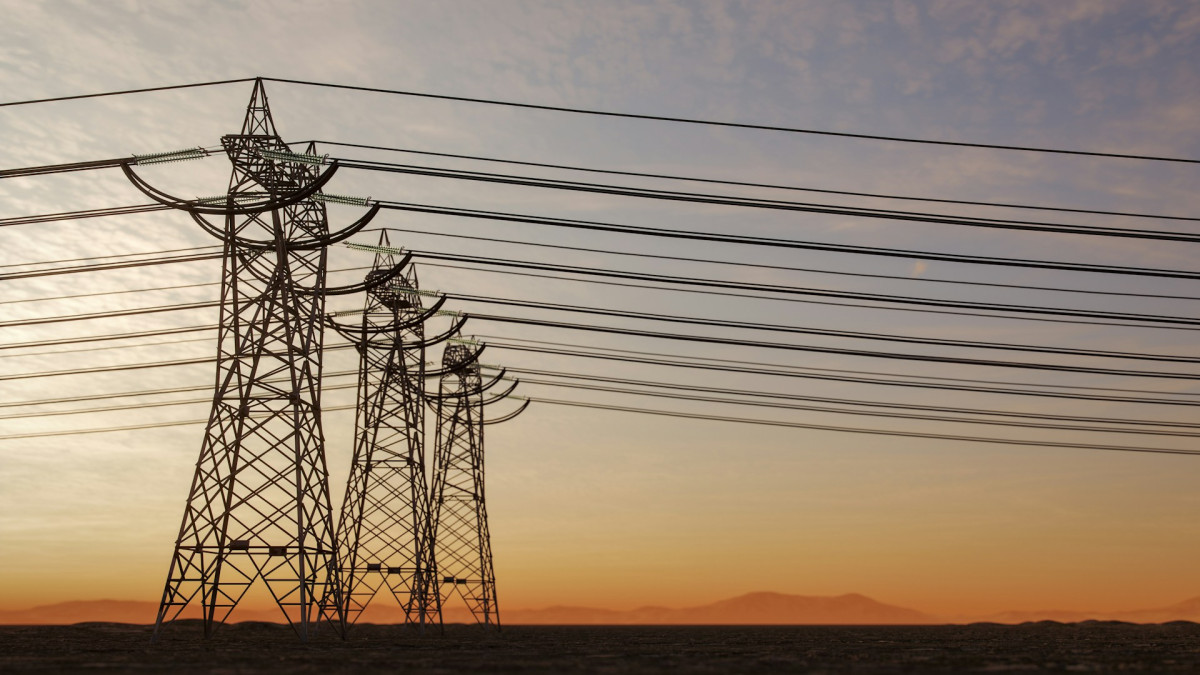
However, this rapid growth in renewables has exposed critical bottlenecks in grid connectivity and transmission infrastructure. The International Energy Agency estimates that over 80 million kilometers of additional or retrofitted grid infrastructure will be necessary by 2040, effectively requiring a doubling of the world's existing grid capacity. This has led to stalled renewable energy projects, particularly in Southeast Asia, with a significant percentage of projects in Vietnam, Thailand, and Indonesia facing cancellation or delays between 2021 and 2025.