Key facts
- Ukrainian fuel retailers are fortifying filling stations with blast barriers and shelters against Russian attacks.
- Russia has targeted fuel infrastructure in major Ukrainian cities, including Kyiv, Dnipro, and Kharkiv.
- Over 300 filling stations have been destroyed in Ukraine in the past six months.
- Ukrnafta, Ukraine's largest oil company, is installing sand-filled gabion barriers and has secured fuel imports for winter.
- Operations at hit stations are sometimes restored within days.
- Ukrnafta has equipped its stations with backup diesel generators.
Ukrainian fuel retailers are reinforcing their filling stations with sand-filled blast barriers and concrete shelters as Russia intensifies attacks on fuel infrastructure in major cities. Retailers are taking steps to protect their networks and ensure supply through the winter, despite recent strikes.
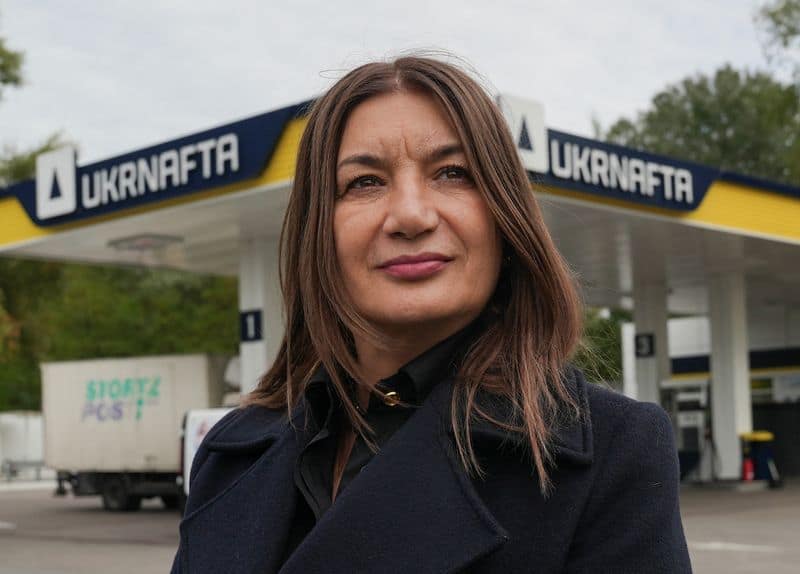
Russia has targeted petrol stations in frontline areas since the full-scale invasion began in 2022, but has recently expanded its campaign to cities like Kyiv, Dnipro, and Kharkiv. Despite these attacks, Ukrnafta, Ukraine's largest oil company, stated that strikes would not cause shortages this winter, anticipating a 10-15% increase in demand. The company's station network director, Lesya Zharska, noted that operations are often restored within days of being hit.
Ukrnafta is installing blast barriers made of sand-filled wire-mesh cubes (gabions) at its stations in Kyiv, with plans to deploy them in other cities. During air alarms, operations are halted, and customers and staff are directed to shelters. The company has also equipped its stations with backup diesel generators and secured sufficient fuel imports to prevent supply gaps during the colder months.
According to Energy Minister Denys Shmyhal, Russia has destroyed over 300 stations in Ukraine in the last six months. Moscow maintains it does not deliberately target civilian infrastructure, though attacks on populated areas have increased as its ground forces struggle to advance. Meanwhile, Ukrainian attacks on Russian oil refineries have led to fuel shortages in Russia, prompting an export ban.