Key facts
- Russia is intensifying strikes on Kyiv and other Ukrainian cities, targeting civilian infrastructure.
- Intelligence suggests Russia's "new doctrine" aims to pressure civilians to leave urban areas.
- Attacks have targeted bridges, power plants, and residential areas, raising fears of a difficult winter.
- At least five people have been killed in recent long-range strikes by both sides.
- Ukraine plans to respond to Russia's tactics by targeting Russian energy infrastructure, but not civilian sites.
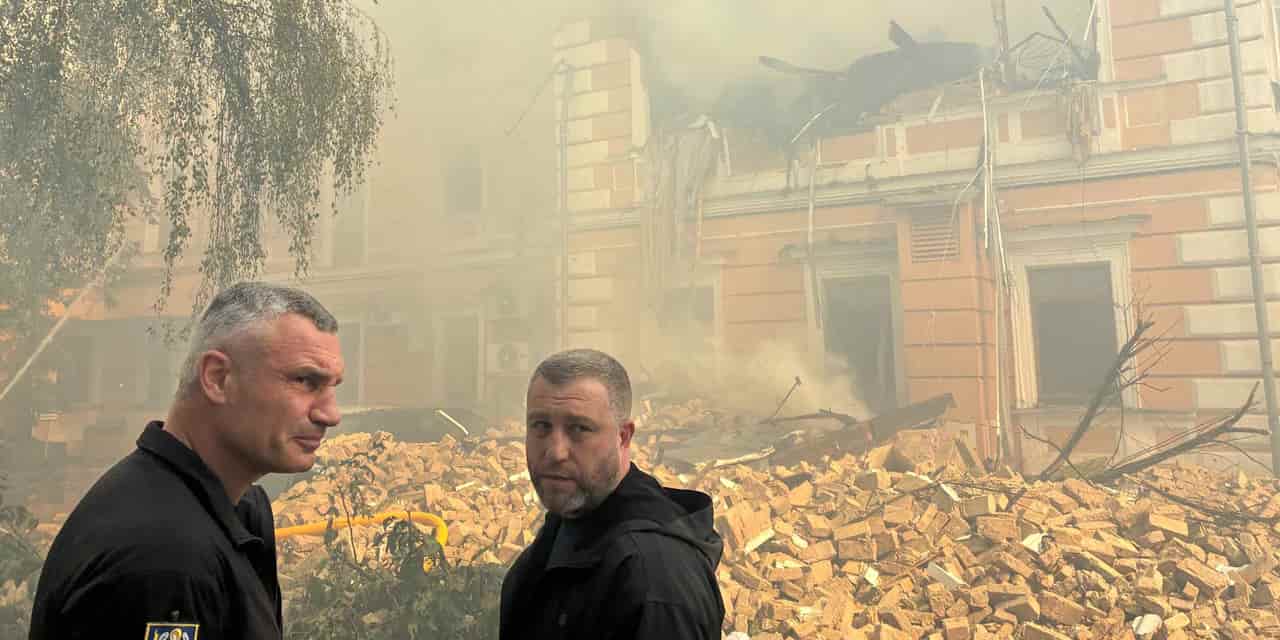
Russia has intensified its long-range strikes on Kyiv and other Ukrainian cities, with intelligence indicating a new strategy to pressure civilians into leaving urban centers as winter approaches. The attacks, which have included targeting bridges, power plants, and residential areas, have stoked fears of another difficult winter for Ukrainians, similar to the previous year's challenges with sub-zero temperatures and power cuts.
Ukrainian President Volodymyr Zelenskyy stated that new intelligence reveals Russia's "new doctrine" involves striking roads, schools, hospitals, and other civilian sites. He indicated that Ukraine plans to respond by targeting Russia's energy infrastructure, but not civilian objects. The latest assaults follow days of heavy strikes on the capital, with Kyiv Mayor Vitali Klitschko describing the situation as "very dramatic."
Recent attacks have included a Liberian-flagged ship in Odesa, resulting in one death, and a cargo ship in the same port. A Russian attack on Kyiv's Northern Bridge injured two people, marking the second bridge targeted in two days. These actions have effectively blockaded Ukraine's Black Sea ports, impacting food exports and the Ukrainian economy.
Russia has also reported casualties from Ukrainian attacks in occupied Luhansk and Zaporizhia regions, as well as in Russia's Belgorod region. The Russian Foreign Ministry has issued warnings for diplomats and foreigners in Kyiv to leave the city.
Many Ukrainians are considering relocation due to deteriorating living conditions. A September survey by Gradus research company found that 40% of Ukrainians were contemplating moving if conditions worsened. For families with young children, the situation is particularly urgent, with concerns about safety, heating, and the availability of food during the winter months.