Key facts
- Lithuania requested troops be deployed to its border with Kaliningrad on Oct. 7.
- The request was made by Interior Minister Martynas Katelynas to Defense Minister Robertas Kaunas.
- The deployment is a preventative measure due to regional security concerns and potential Russian mobilization.
- Two security breaches occurred at the Latvian border with Belarus on Oct. 6.
- Lithuania's parliament began the process to repeal a constitutional ban on nuclear weapons on its territory on Oct. 6.
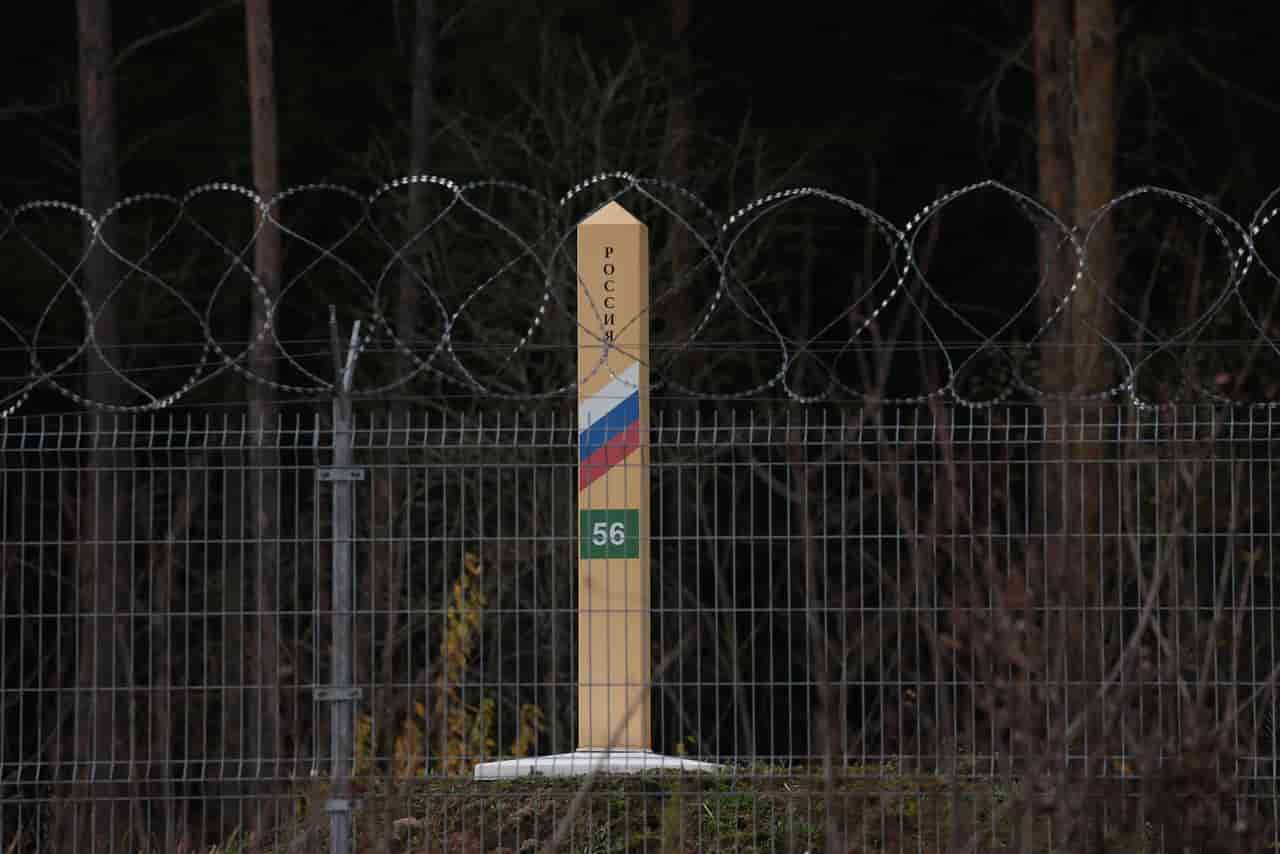
Lithuania's Interior Minister Martynas Katelynas appealed to the Defense Minister on Oct. 7 to deploy Lithuanian Armed Forces units to the country's border with Kaliningrad, a Russian exclave. The request is a preventative measure in response to escalating regional tensions and signals of potential Russian mobilization.
The decision follows two security incidents on Oct. 6 at the border between neighboring Latvia and Belarus. In the first incident, armed guards escorted illegal migrants across the border. Shortly after, masked individuals crossed the border, stole equipment, and returned to Belarus.
Katelynas stated that there was no reason for panic and that the border situation remained calm, emphasizing that the troop deployment was a preparatory step to prevent similar incidents. The move comes a day after Lithuania's parliament initiated the process to repeal Article 137 of the constitution, which prohibits weapons of mass destruction and foreign military bases on Lithuanian territory.
NATO has increased its presence in the Baltic region, including the permanent stationing of a German military brigade in Lithuania, amid growing security concerns over Russian actions. Kaliningrad, situated between Poland and Lithuania, has become a focal point of tension. In September, Russia warned NATO that it was prepared to use its "entire arsenal of forces and capabilities" to defend Kaliningrad if it were isolated. Russian President Vladimir Putin reiterated the threat of nuclear force on Oct. 1, stating that nuclear weapons could be used.