Key facts
- The US and China extended their trade truce until January 10.
- The extension aims to ease fears of immediate tariff escalation.
- Analysts warn that the short timeline exposes wide gulfs in priorities.
- China's position includes removal of all punitive tariffs and restrictive measures.
- The US and China agreed to establish a notification system for artificial intelligence threats.
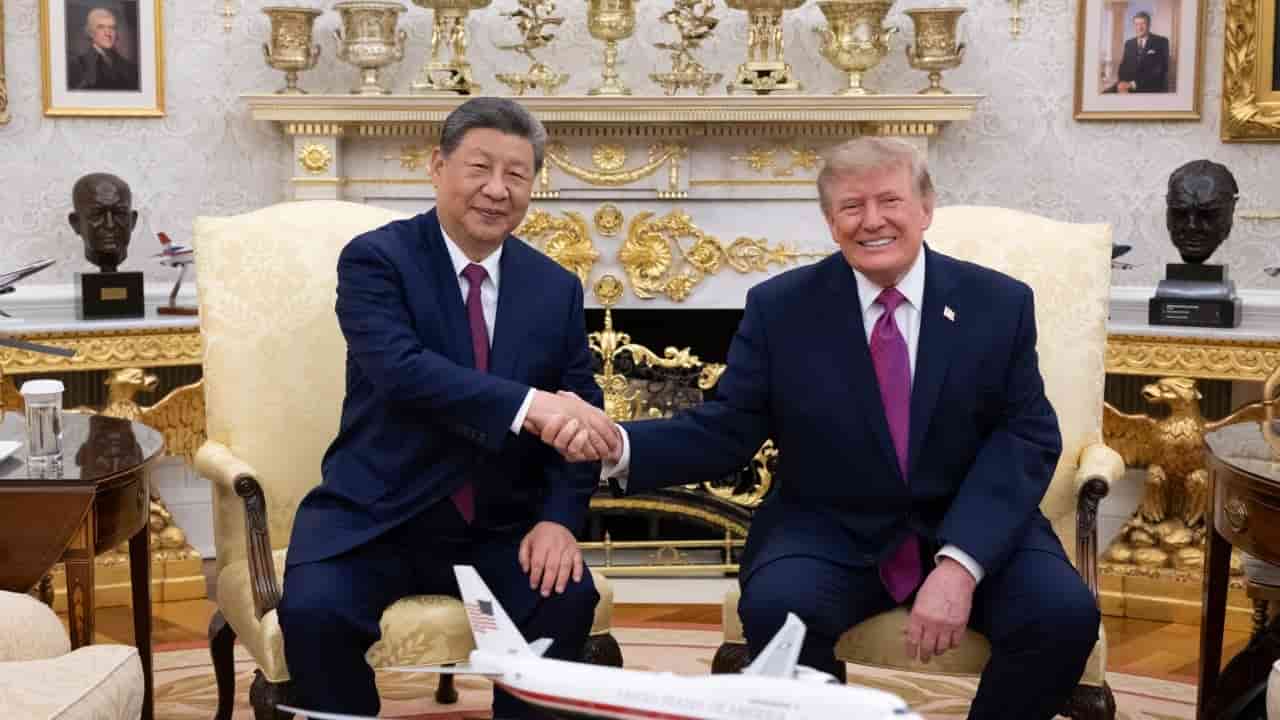
The United States and China have agreed to extend their trade truce by two months, pushing the expiration date to January 10, a move that eases immediate concerns about escalating tariffs. The summit between US President Donald Trump and Chinese President Xi Jinping, which concluded on September 25, saw the leaders agree to further meetings later this year.
Despite the diplomatic efforts to foster stability, analysts caution that the brief extension underscores the deep-seated strategic rivalry between the two economic powers. Daniel Russel of the Asia Society Policy Institute noted that the countries remain locked in competition over trade, technology, Taiwan, defense, rare earths, and industrial policy. Daniel Kritenbrink, from The Asia Group consultancy, suggested that while both leaders desire stability, tangible outcomes are necessary for the truce to last long-term, adding that many US officials express frustration with China's adherence to past commitments.
Mary Lovely of the Peterson Institute for International Economics indicated that the short extension was preferred by the US, suggesting an anxiety about China's delivery on commitments, particularly regarding rare earth magnets. Jamieson Greer, Trump's top trade official, described such extensions as "compliance periods," implying China is doing the minimum to maintain the agreement. Both sides have reportedly made progress on other economic outcomes, with details to be released soon, and have agreed on certain goods for preferential trade and products to exclude from future disputes. Additionally, a notification system for artificial intelligence threats is to be established between the two countries, though defining triggers for such a system may prove challenging.