Key facts
- Goldman Sachs is working to make its AI tools specific to the firm's standards and culture.
- The firm's Chief Information Officer, Marco Argenti, highlighted the challenge of transferring institutional knowledge to AI agents.
- Goldman Sachs developers are using AI agents like Claude and Devin, and need to "mentor" them.
- The bank has drafted "skills"—reusable instruction bundles—to capture technical knowledge for AI.
- Engineers are shifting focus from coding to ensuring AI agents perform according to firm standards.
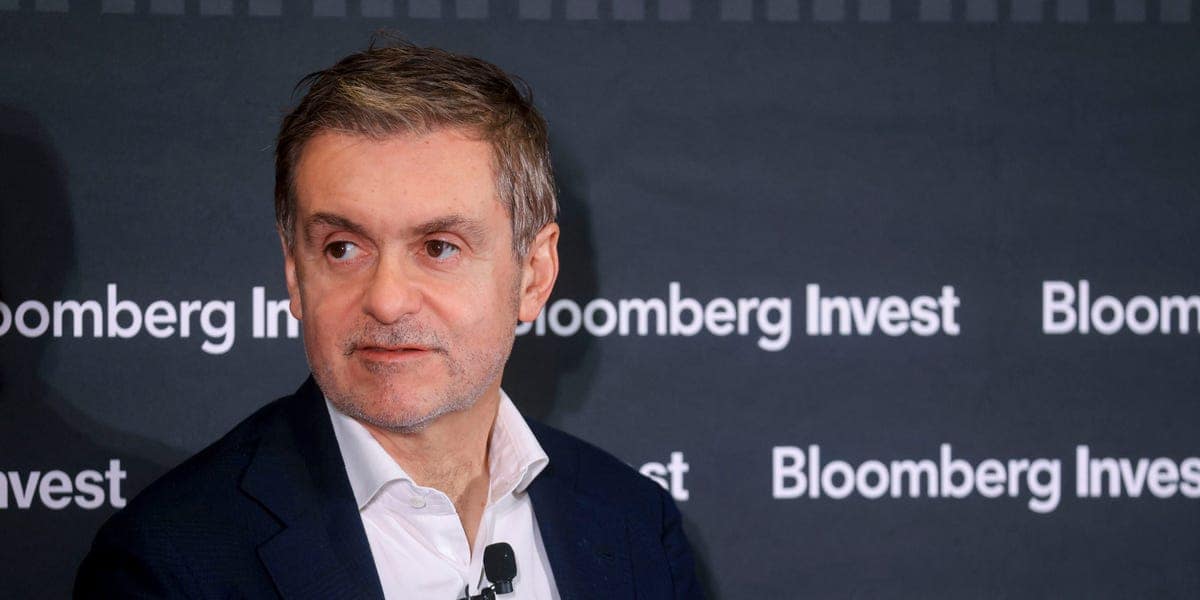
Goldman Sachs is facing the challenge of imbuing its AI agents with the firm's specific institutional knowledge and engineering culture, according to Chief Information Officer Marco Argenti. With over 12,000 developers utilizing AI tools, the focus has shifted from basic AI adoption to "mentoring" these agents, much like onboarding new employees.
Argenti explained that the core difficulty lies in transferring "tribal knowledge" and the "unwritten rules" of Goldman Sachs' environment into AI systems. This includes understanding data standards, security protocols, and the firm's unique "engineering tenets" such as "innovate incrementally" and "look around corners." To address this, Goldman has developed "skills," which are reusable bundles of instructions designed to capture developers' technical expertise, design principles, and data models.
One example of a "skill" helps AI understand what constitutes a good cloud migration specifically within Goldman's framework. This allows AI tools to produce better, faster results for engineers to review. The firm is investing heavily in AI, having spent approximately $6 billion last year, and is under pressure, like its peers, to demonstrate the return on these investments. JPMorgan CEO Jamie Dimon has stated that AI spending is now essential for competitiveness.
The role of engineers is evolving; they are spending less time on direct coding and more on ensuring their AI agents adhere to firm standards. This shift is seen as a profound change that could extend to other business lines. Furthermore, AI is altering human mentorship dynamics, with junior employees now guiding more experienced colleagues on AI usage, a trend also observed at other institutions like Citi.