All NewsEducationTV
Equities & FundsCrypto & Digital AssetsAI & TechnologyBusiness & CorporateUS Politics & PolicyGeopolitics & Global RiskMacro, Rates & FXCommodities & EnergyEuropean Politics & MarketsAsia-PacificReal Estate & Property
All NewsHome
← Back to AI & Technology

Website reveals police use of Flock license plate data

Created at 25 Aug · 9:06 AM1 source↑ Market-relevant
IN SHORT

A website called 'Have I Been Flocked?' allows users to check if their license plates have been searched by law enforcement using Flock Safety's automated license plate reader technology. The site has seen a surge in visitors amid growing concerns about police surveillance.

Key Numbers

6,000+communities using Flock Safety technology
49states where Flock Safety is used
242 million+recorded searches in the 'Have I Been Flocked?' database
November 2021start date for database records
60,000peak unique visitors per two hours
$50 to $100monthly server costs
$8.4 billionFlock Safety valuation in April

Who's Involved

Cris van Pelt
Founder of 'Have I Been Flocked?', former software engineer, law student
Flock Safety
Company providing automated license-plate reader technology
ACLU
Civil liberties organization critical of Flock's changes
Doug MacMillan
Investigative reporter who used 'Have I Been Flocked?' data
Website reveals police use of Flock license plate data

↳ Why This Matters

The 'Have I Been Flocked?' website highlights public concerns about widespread police surveillance through automated license plate readers and provides a tool for individuals to investigate potential data usage related to their vehicles.

Key facts

  • A website named 'Have I Been Flocked?' allows users to search for license plate data related to Flock Safety's surveillance technology.
  • The site aggregates audit logs from Flock Safety customers, including police agencies and private companies.
  • The database contains over 242 million recorded searches dating back to November 2021.
  • Flock Safety's technology is used in over 6,000 communities across 49 U.S. states.
  • The website's creator, Cris van Pelt, aims to highlight the prevalence and unrestricted use of these systems.
  • Recent changes by Flock Safety to address privacy concerns have been met with skepticism by critics.

A website called 'Have I Been Flocked?' has gained significant traction, allowing the public to check if their license plates have been searched using Flock Safety's automated license-plate reader technology. Created by Cris van Pelt, a former software engineer now attending law school, the site has seen hundreds of thousands of daily visitors as national debate intensifies over police surveillance.

Flock Safety's technology is deployed in over 6,000 communities across 49 states and is credited with aiding in crime-solving. However, it has also drawn criticism for potential misuse and inaccuracies. 'Have I Been Flocked?' aggregates audit logs from Flock customers, revealing the prevalence and scope of license plate searches. The database currently holds over 242 million recorded searches dating back to November 2021.

Van Pelt stated his goal is to expose the widespread use of these systems. The site operates with the help of volunteers from the DeFlock Discord community and relies on donations to cover server costs. Despite Flock Safety announcing changes to its data retention policies and search flagging tools in mid-August, critics like the ACLU have dismissed these as insufficient responses to privacy concerns.

Flock Safety, valued at $8.4 billion, faces scrutiny over allegations of law enforcement misuse of its technology. Reports have highlighted instances where officers allegedly used the system to track drivers improperly. Investigative reporter Doug MacMillan has utilized data from 'Have I Been Flocked?' in his reporting, underscoring the website's role in the growing movement to monitor surveillance technology.

Frequently asked questions

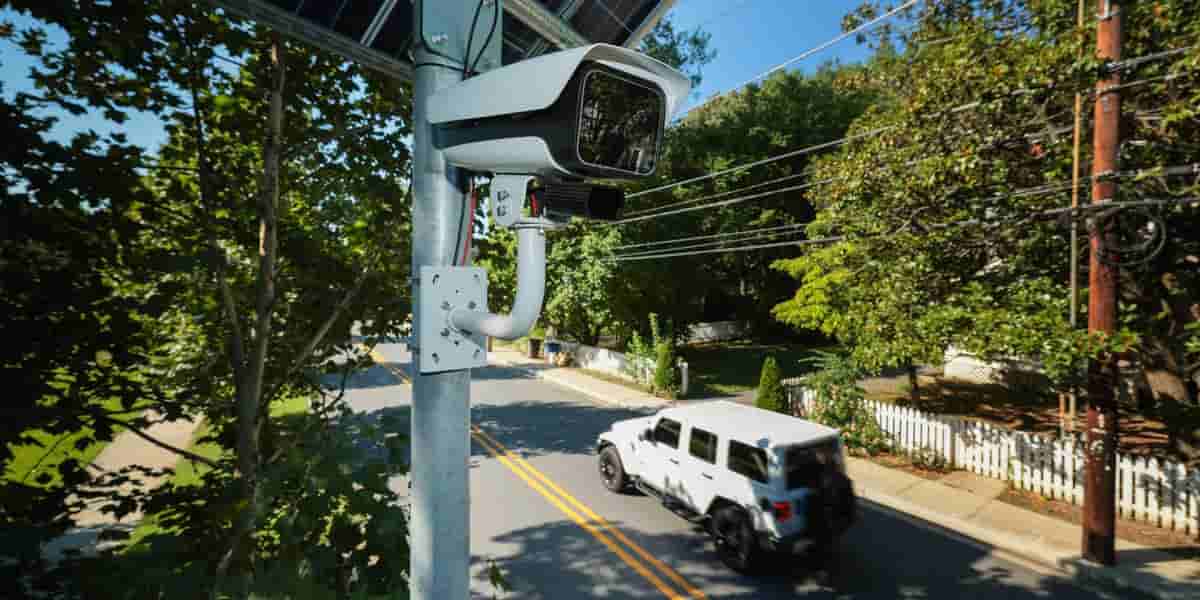
Flock Safety provides automated license-plate reader (ALPR) technology that uses cameras to capture vehicle information, including license plates, make, model, and physical characteristics, compiling it into a searchable database.

The website aggregates audit logs from Flock Safety customers, such as police agencies, allowing users to check if a specific license plate has been searched within its database.

No, the site explicitly states its data is incomplete and does not show if a car was photographed by a Flock camera, only if its license plate was part of a search query.

Flock Safety announced changes including shortening its recommended data-retention period from a month to a week and introducing tools to flag potentially improper searches.

What Happens Next

01Further public records requests are expected to expand the 'Have I Been Flocked?' database.
02Additional scrutiny may be placed on Flock Safety's data retention and usage policies.

How It Developed

Cris van Pelt created the website 'Have I Been Flocked?' in October 2025.
The website allows users to check if their license plates have been part of a search by Flock Safety customers.
Flock Safety's technology is used in over 6,000 communities across 49 states.
The site has experienced a significant increase in traffic, peaking at 60,000 unique visitors every two hours.
The database contains over 242 million recorded searches dating back to November 2021.
Volunteers assist in filing public records requests and supporting the site.
Flock Safety announced changes in mid-August to address privacy and misuse concerns.
Critics, including the ACLU, have dismissed Flock's changes as a public relations effort.

Sources

T1
Police use Flock to search license plates. Now there's a viral website to see if yours was one of them.Business Insider

Related Stories

LinkedIn's 'AI slop' button sees 1M clicks, reduces content views
24 Aug · 4:10 PM
AliExpress using outdated audio fingerprinting technique
24 Aug · 7:25 PM
Instinct AI assistant faces privacy and security scrutiny
24 Aug · 6:21 PM
Replit CEO Amjad Masad to Speak at TechCrunch Disrupt 2026
24 Aug · 8:26 PM
Sam Altman finds manual email sorting more productive than AI
24 Aug · 2:51 PM