Key facts
- Lyft's Flexdrive subsidiary is opening a large vehicle cleaning and maintenance depot for Waymo robotaxis in Nashville.
- The facility will employ about 70 workers, many of whom are former Lyft drivers.
- Former drivers are taking on roles such as fleet operations leads, inspecting, cleaning, and charging autonomous vehicles.
- Lyft aims to integrate Waymo ride-hailing into its app later this year.
- Autonomous vehicles require more frequent maintenance and cleaning due to higher mileage compared to traditional rental vehicles.
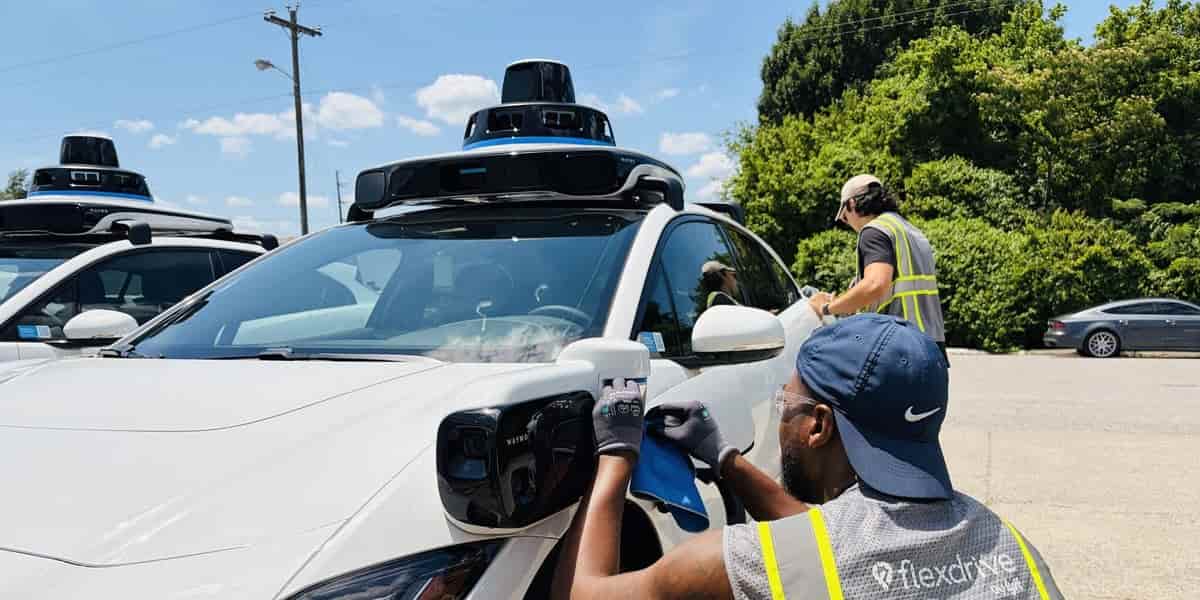
Former Lyft drivers are transitioning to new roles in the burgeoning autonomous vehicle industry, specifically in cleaning and maintaining Waymo robotaxis. In Nashville, Lyft's Flexdrive subsidiary is set to open its largest vehicle cleaning and maintenance depot in October, a 80,000-square-foot facility that will employ about 70 people, with roughly half having previously driven for Lyft.
Jonathan Baines, who drove for Lyft for about a decade, now works as a fleet operations lead at Waymo's existing Nashville depot. His role involves directing robotaxi traffic and ensuring vehicles are ready for passengers. Baines views this as a valuable opportunity to gain experience in the future of transportation. Similarly, Chauncey Thompson, who also drove for Lyft, prefers his current role as a fleet operations associate, citing the opportunity to work with new technology, consistent hours, and team camaraderie.
Flexdrive's internal technology tracks vehicle diagnostics, but human workers are still crucial for visual inspections, cleaning, charging, and identifying issues that require further attention. Thompson, for instance, inspects each car, charges it, cleans it, and checks tire pressure. Human judgment remains key in determining if a car is clean enough for passengers.
For Lyft, which sold its self-driving car division in 2021, this venture represents another way to participate in the autonomous transportation sector. Flexdrive, which traditionally rents cars to Lyft drivers, is now servicing driverless vehicles. Later this year, riders will be able to hail Waymos through the Lyft app, in addition to Waymo's own app. This dual role places Lyft as both a ride-request platform provider and the infrastructure manager for autonomous fleets.
Flexdrive CEO John Parks explained that managing autonomous fleets is more labor-intensive than their traditional rental business. While drivers previously kept rental cars for 14-16 weeks, robotaxis require daily servicing. Parks noted that robotaxis, not constrained by driver rest needs, can travel up to 100,000 miles annually, significantly increasing the frequency of charging, cleaning, and repairs compared to the approximately 40,000 miles for a car in Flexdrive's rental fleet. This means depot workers are charging and cleaning robotaxis about two to three times daily.
The new roles offer a different social dynamic. While Baines misses interacting with passengers, he prefers the work itself. Thompson finds the depot work more repetitive but more compelling and future-proof. Both men acknowledge losing passenger interactions but gaining sustained coworker relationships and potential career advancement. Daniel Zhao, chief economist at Glassdoor, suggests that blue-collar workers are more secure in roles tied to AI and prefer working on products they believe represent the future.