Key facts
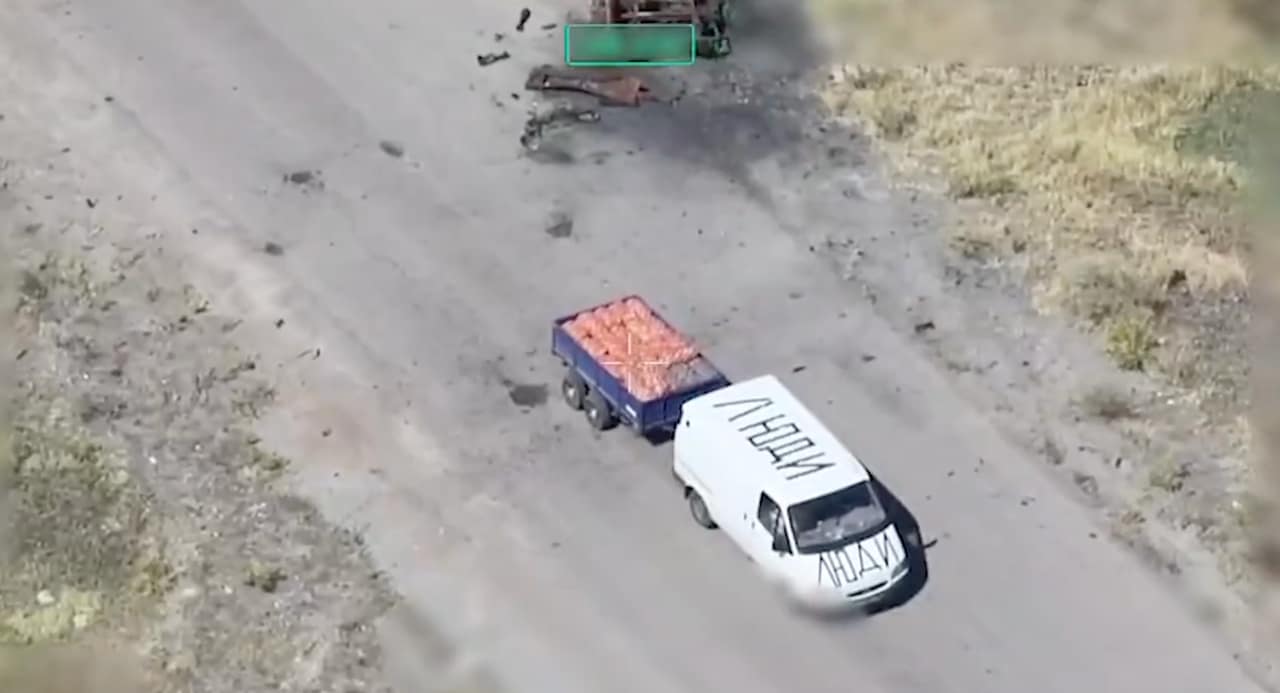
- The humanitarian situation in Russian-occupied Oleshky is "alarming," with residents facing shortages of food, water, and utilities.
- Attempts to deliver aid to Oleshky have been disrupted by Russian drone attacks.
- Russia has placed military assets in residential areas of Oleshky, using civilians as shields.
- Evacuations from Oleshky are currently impossible due to high risks.
- Russia held illegal parliamentary elections in occupied Ukrainian territories from Sept. 18 to 20.
- Ukraine struck Russian military targets, including radar stations and a drone site, on Sept. 23 and Sept. 24.
The humanitarian situation in the Russian-occupied Ukrainian town of Oleshky has sharply deteriorated, with residents facing prolonged shortages of food, drinking water, and basic utilities, according to Michael O'Flaherty, the Council of Europe's commissioner for human rights. O'Flaherty stated on Sept. 25 that the situation is "alarming" and called for an immediate local ceasefire, unimpeded humanitarian access, and the safe evacuation of civilians.
Residents are struggling as winter approaches, with basic necessities disappearing and mined roads and Russian drones posing threats. The last successful food delivery to Oleshky was on May 26, and subsequent attempts have been disrupted by Russian drone attacks. The city has lacked reliable electricity and running water, exacerbated by the destruction of the Kakhovka Dam in 2023. An Oleshky resident reported ongoing casualties and fatalities among civilians in the past week.
Russian forces have positioned military assets, including guns and mines, in and around residential neighborhoods in Oleshky, using the civilian presence to shield their positions from Ukrainian strikes, according to Oleksandr Tolokonnikov, deputy head of the Kherson Regional Military Administration. Evacuation efforts, which were possible in spring 2026, are now considered too risky. Some residents are attempting to leave on foot along mined roads.
Ukraine had prepared a humanitarian evacuation mission, with the International Committee of the Red Cross expressing readiness to participate and Ukrainian forces prepared to observe a temporary ceasefire, but Russia has not confirmed its readiness to proceed.
In parallel, Russia held parliamentary elections from Sept. 18 to 20, including in Ukrainian territories it illegally claims. Ukraine and the European Union have rejected the vote as illegal. Ukrainian officials and human rights organizations view these elections as a means for Russia to project an image of acceptance and integration into its political system. Dementiy Bilyi, a Ukrainian election expert, stated that the elections were intended to demonstrate that the population supports Russia's political course.
Separately, Ukraine's military conducted strikes on Sept. 23 and overnight on Sept. 24, hitting Russian military targets in occupied parts of Donetsk and Zaporizhzhia oblasts. These included radar stations, a site for storing and launching attack drones near the city of Donetsk, and a fuel depot. These actions follow earlier strikes on Russian drone command posts and fuel depots in occupied Luhansk and Donetsk oblasts.