Key facts
- Foreign Minister Andrii Sybiha stated on Sept. 25 that the humanitarian crisis in Russian-occupied Oleshky is worsening.
- Civilians in Oleshky are reportedly surviving on grass and weeds due to severe food shortages.
- Access to medicines, clean water, electricity, and medical care is increasingly out of reach for residents.
- Children are among those trapped in the critical conditions in Oleshky.
- Russian forces are blocking aid and evacuations from the town in Kherson Oblast.
- Council of Europe Commissioner for Human Rights Michael O'Flaherty expressed concern over the situation on Sept. 25.
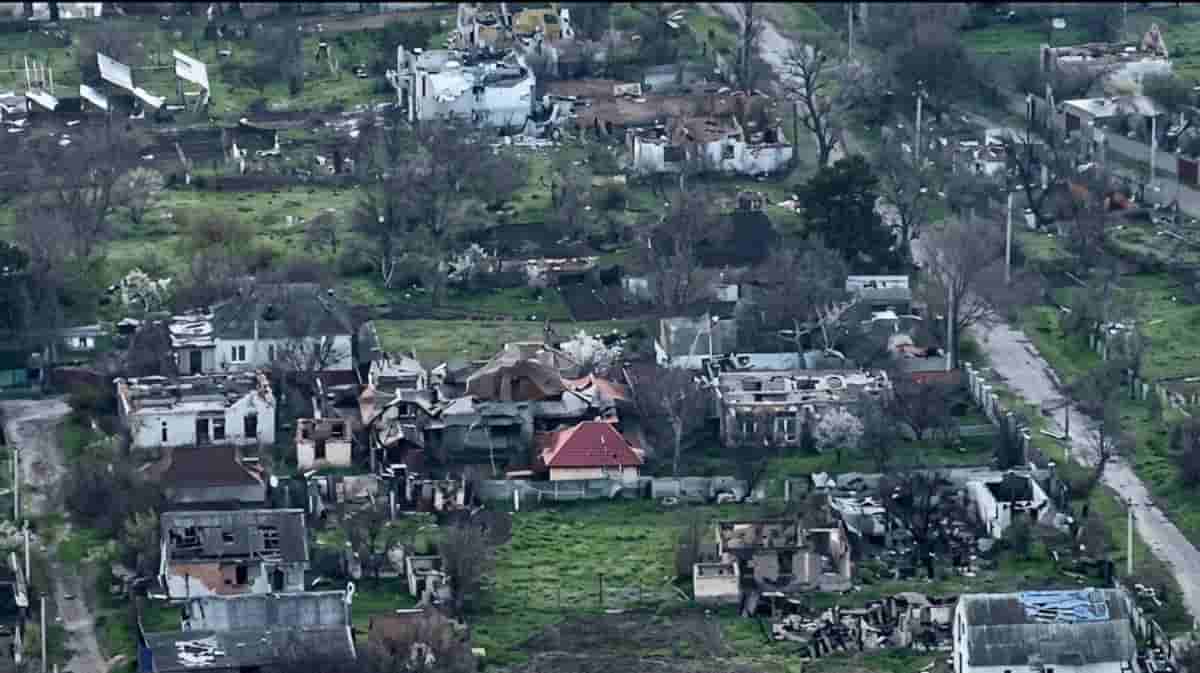
The critical humanitarian situation in the Russian-occupied town of Oleshky in Ukraine's Kherson Oblast continues to deteriorate, with Foreign Minister Andrii Sybiha urging international partners to intervene. Sybiha stated on September 25 that civilians are facing extreme shortages of food, medicine, clean water, electricity, and medical care, with reports indicating some are resorting to eating grass and weeds.
Children are also trapped in these dire conditions. Oleshky, located on the eastern bank of the Dnipro River, has been under Russian occupation since February 24, 2022. Russian forces are reportedly preventing both Ukrainian authorities and international humanitarian organizations from delivering aid or facilitating evacuations.
According to Ukraine's Foreign Ministry, the town's population has significantly decreased from approximately 24,000 to around 2,000 by spring 2026. Sybiha has placed responsibility for the crisis on Russia and called on the international community, including the United Nations and the International Committee of the Red Cross, to utilize all available mechanisms to ensure unhindered humanitarian access and facilitate the evacuation of residents.
On the same day, Michael O'Flaherty, the Council of Europe Commissioner for Human Rights, also voiced concerns about the worsening humanitarian situation in Oleshky, highlighting the serious risk to civilians' lives and reminding occupying authorities of their obligations under international humanitarian law to ensure access to essential supplies.