Key facts
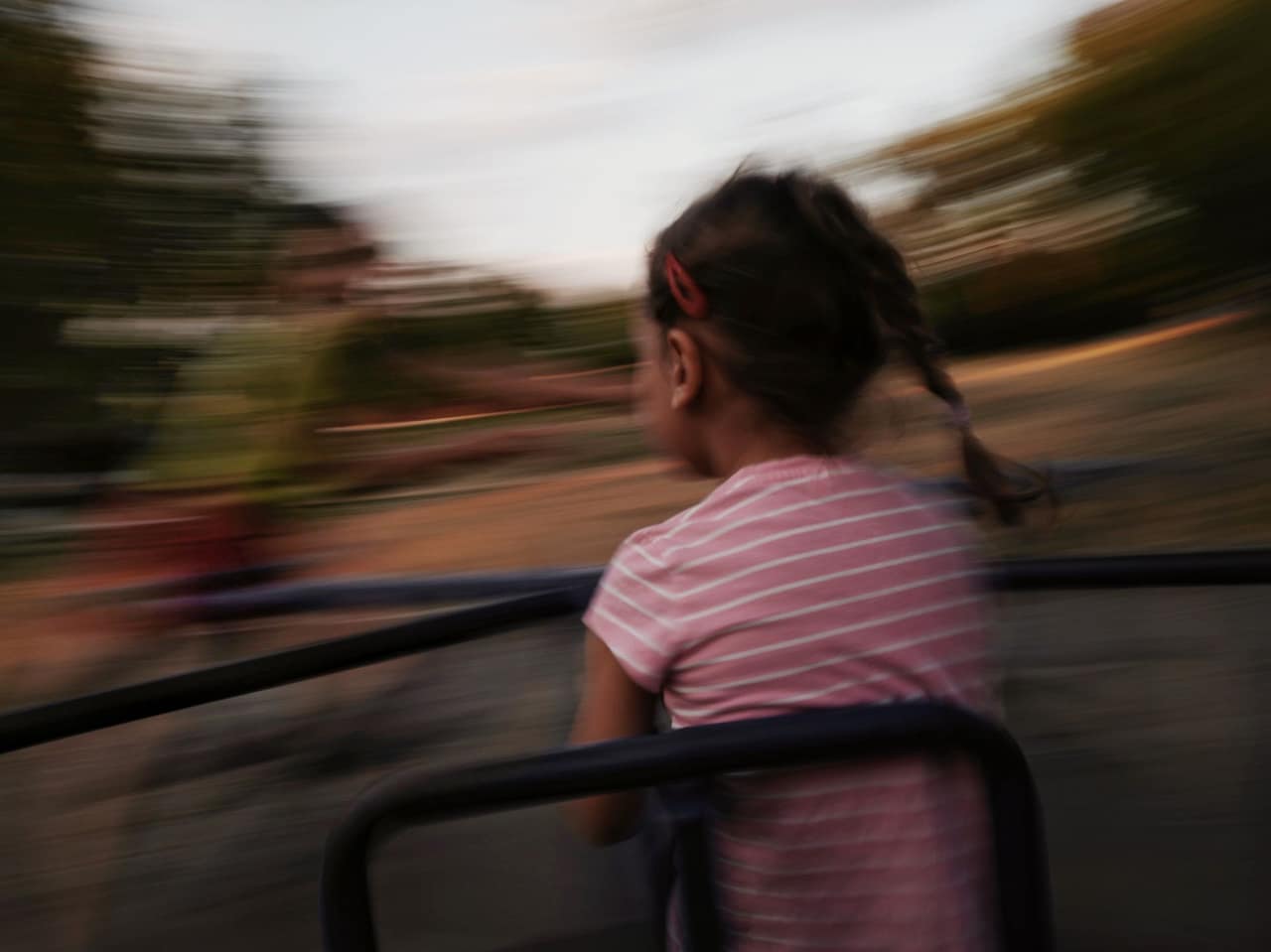
- Children in Zaporizhzhia's Kosmichnyi district continue to play in parks despite regular Russian drone and glide bomb attacks.
- Six-year-old Veronika Didenko stated she is not scared of explosions and has grown accustomed to the sounds of drones and bombs.
- About 700,000 people continue to live in Zaporizhzhia, a city known for its metallurgy and mechanical engineering industries.
- Since June, Russian drone and glide bomb attacks on Zaporizhzhia have intensified.
- The Kosmichnyi district, about 20 kilometers from the front line, is the most heavily bombarded area.
- Two or three glide bombs hit Kosmichnyi district daily, according to district head Volodymyr Volobuev.
- A glide bomb attack on an August morning injured 24 people and severely damaged an apartment building.
- Rescue workers in Zaporizhzhia face the risk of double-tap strikes, where a second attack targets the site of the first.
In Zaporizhzhia, Ukraine, residents are adapting to an intensified wave of Russian guided bomb and FPV drone attacks, particularly in the heavily bombarded Kosmichnyi district. Despite the constant threat, children continue to play in parks, with some, like six-year-old Veronika Didenko, expressing a sense of normalcy and having grown accustomed to the sounds of warfare.
Veronika, who learned about the war at age three, calmly plays while her mother, Yuliia Didenko, navigates the challenges of raising her daughter alone after her husband was drafted. The family, originally from the Russian-occupied town of Huliaipole, has found a home in Zaporizhzhia, but the ongoing attacks raise concerns about safety and the cost of relocation.
In another incident, 77-year-old retiree Liudmyla Pavelko was injured when a glide bomb struck her apartment building. Pavelko believes the target may have been a nearby dormitory housing Ukrainian soldiers, highlighting the proximity of military personnel and civilians in front-line cities. Her apartment was severely damaged, leaving her uncertain about her future housing.
Rescue workers face significant risks, including the threat of double-tap strikes, where Russian forces target the same location again shortly after an initial attack to hit first responders. Dmytro Borodatyi, head of the Rapid Response Department for the regional State Emergency Service (DSNS), noted that operations are temporarily paused in such situations, but teams may continue working to save lives despite the danger. Oleh Onishchenko, an assistant to the duty shift head, shared that his colleague was killed in a recent double-tap attack, underscoring the perilous nature of their work.