Key facts
- The Republic of Ireland soccer team will play Israel in a Nations League match on Sunday.
- Goalkeeper Gavin Bazunu withdrew from the squad, stating his decision was based on opposition to the killing of civilians.
- The squad voted by a significant majority to proceed with the match after several hours of discussion.
- The team will wear black armbands and avoid pre-game handshakes with Israeli players.
- The match will be played in Debrecen, Hungary, with Irish fans barred from attending.
- UEFA rejected a request from the Football Association of Ireland to suspend the Israel Football Association.
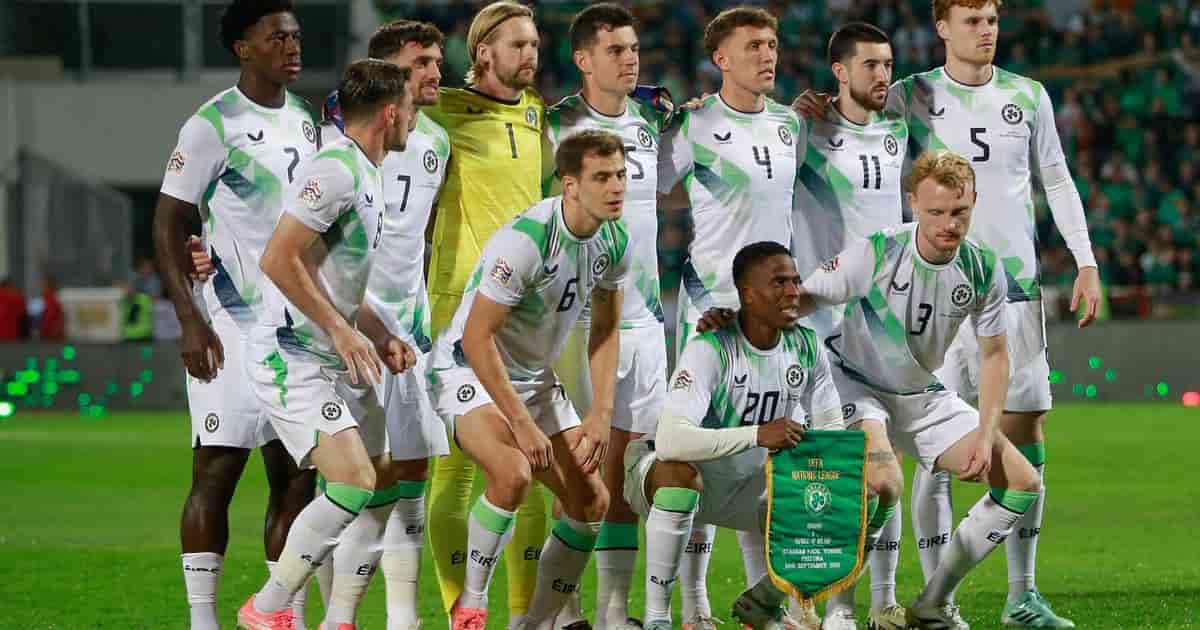
The Republic of Ireland men's national soccer team will play its Uefa Nations League match against Israel on Sunday in Debrecen, Hungary, after the squad voted by a significant majority to proceed with the fixture. The decision followed reports that some players, including goalkeeper Gavin Bazunu, had considered refusing to play in protest at Israel’s actions in Gaza.
Players spent several hours in a closed-door meeting to decide whether to boycott the match. Training and a pre-match press conference were delayed before the Football Association of Ireland (FAI) confirmed the game would go ahead. FAI chief executive David Courell stated the vote was passed by a significant majority, with coach Heimir Hallgrimsson present at the subsequent news conference.
Hallgrimsson described the situation as a Catch-22, stating, “Nobody is comfortable playing this game.” He added that the squad was “almost to a breaking limit now” and that they were legally and professionally obligated to play.
The team had faced increasing pressure to boycott the games due to the conflict in Gaza. The FAI had previously requested that UEFA suspend the Israel Football Association, but the governing body rejected the request. Over 160 Irish sportspeople had signed an open letter urging the FAI to reconsider playing the matches.
Ireland, which has long sympathized with the Palestinian cause, will avoid pre-game ceremonies with Israeli players, including handshakes, and will wear black armbands during the match to recognize lives lost in the conflict. Sunday’s match in Debrecen is Israel’s “home” game, while the fixture set for October 4 has been moved to Serbia.