Key facts
- Donald Trump urged Ukrainian President Volodymyr Zelensky to reduce strikes on Russian oil refineries.
- Trump linked Ukraine's refinery attacks to global diesel price increases.
- Zelensky indicated Ukraine would agree to an energy ceasefire if Russia reciprocates.
- A Ukrainian official stated that Kyiv has not yet agreed to any truce.
- Studies suggest the U.S.-Iran conflict has impacted diesel supplies more than Ukraine's refinery strikes.
U.S. President Donald Trump stated on September 27 that he had urged Ukrainian President Volodymyr Zelensky to reduce Ukraine's attacks on Russian oil refineries, citing concerns over rising global diesel prices. Trump has previously linked Kyiv's strikes on these facilities to a global fuel shortage that has driven diesel prices to record highs.
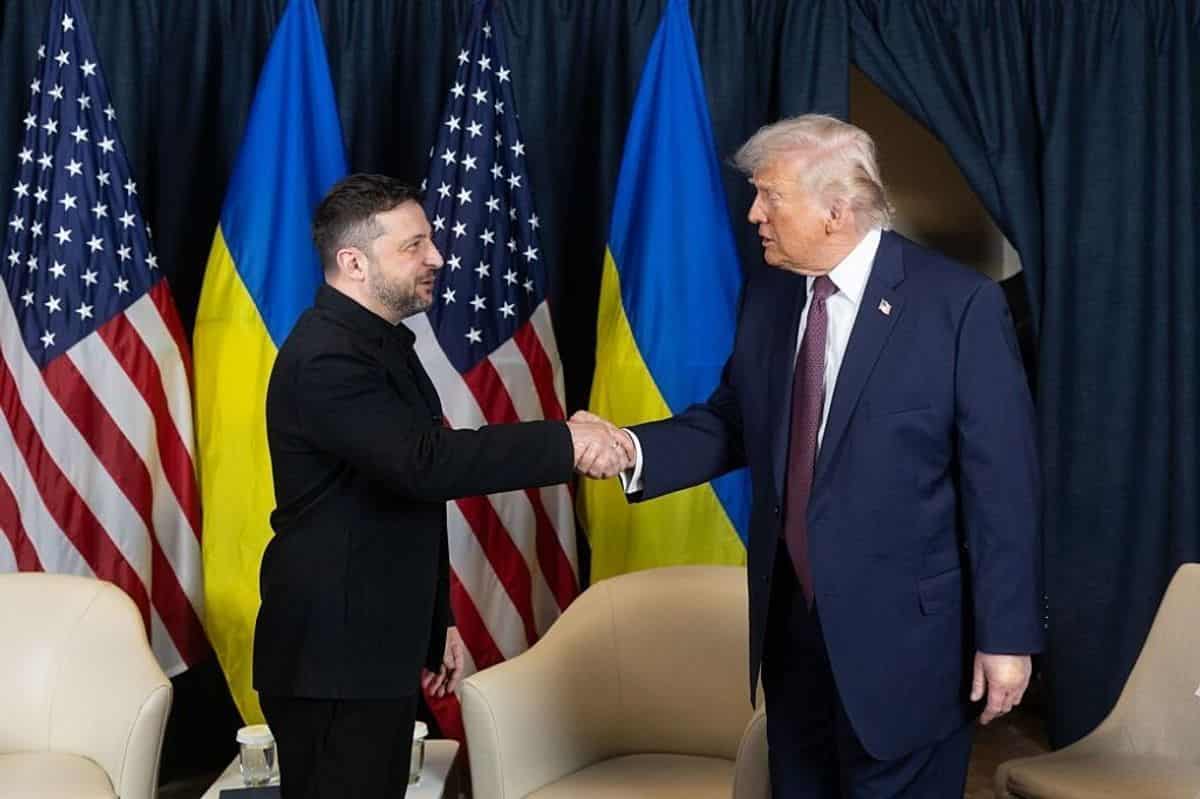
Trump told reporters that he had advised Zelensky, "You gotta take it easy on the refineries." He claimed Zelensky responded, "Well, we'll probably do that." The two leaders met in New York last week during the U.N. General Assembly, where they reportedly discussed a potential Russia-Ukraine energy ceasefire.
However, a Ukrainian official informed Kyiv Independent that Ukraine would only agree to halt attacks on Russian refineries if Russia also committed to an energy truce. The official emphasized that Kyiv has not yet agreed to any terms. Despite Trump's assertions, evidence suggests that the U.S.-Iran conflict has had a more significant impact on diesel and gasoil supplies than Ukraine's strikes on Russian refineries. A study by Ukraine's KSE institute estimated that Persian Gulf exports fell by 152 million barrels between March and August, compared to a 68-million-barrel drop in Russian exports during the same period. Luke Wickenden of the Center for Research on Energy and Clean Air think tank noted that the reduction in Russian exports is equivalent to about 4% of the world's seaborne diesel and gasoil trade.
Ukraine has been targeting Russian oil refineries for years, intensifying these attacks since 2025 to disrupt Moscow's wartime economy. In response, Russia has conducted extensive attacks on Ukraine's energy infrastructure, leaving many residents without electricity and heat during the previous winter. As colder months approach, concerns are rising about a repeat of such conditions.