Key facts
- Nepal is slowly trying to reclaim a sense of normalcy one month after devastating floods and landslides.
- The disaster, which occurred on August 26, has resulted in over 7,000 deaths or missing persons.
- Economic losses from the floods and landslides are estimated at $2.7 billion.
- Residents in affected areas are facing displacement and an uncertain future.
- Schools are gradually reopening, and memorial gatherings are being held.
- The Trishuli River flooded, causing mud and debris to rise as high as the third floor of buildings in Bidur.
One month after massive floods and landslides devastated parts of Nepal, communities are grappling with loss and beginning the slow process of rebuilding. The disaster, which occurred on August 26, has resulted in over 7,000 people killed or remaining missing, with economic losses estimated at approximately $2.7 billion.
Signs of exhaustion are evident among those who lost family members and homes, but efforts to reclaim normalcy are underway. Memorial gatherings are being held, and schools are gradually reopening in the flood-affected areas. In Bidur, a central hub for relief efforts and displaced people, residents are quietly working to clear mud and debris from their homes.
The floodwaters of the Trishuli River rose as high as the third floor in Bidur, sweeping away structures and leaving a landscape of destruction. Nabin Chitrakar, who ran a small shop, lost his home and storeroom to the flood. He had warned others to flee before the waters engulfed his property.
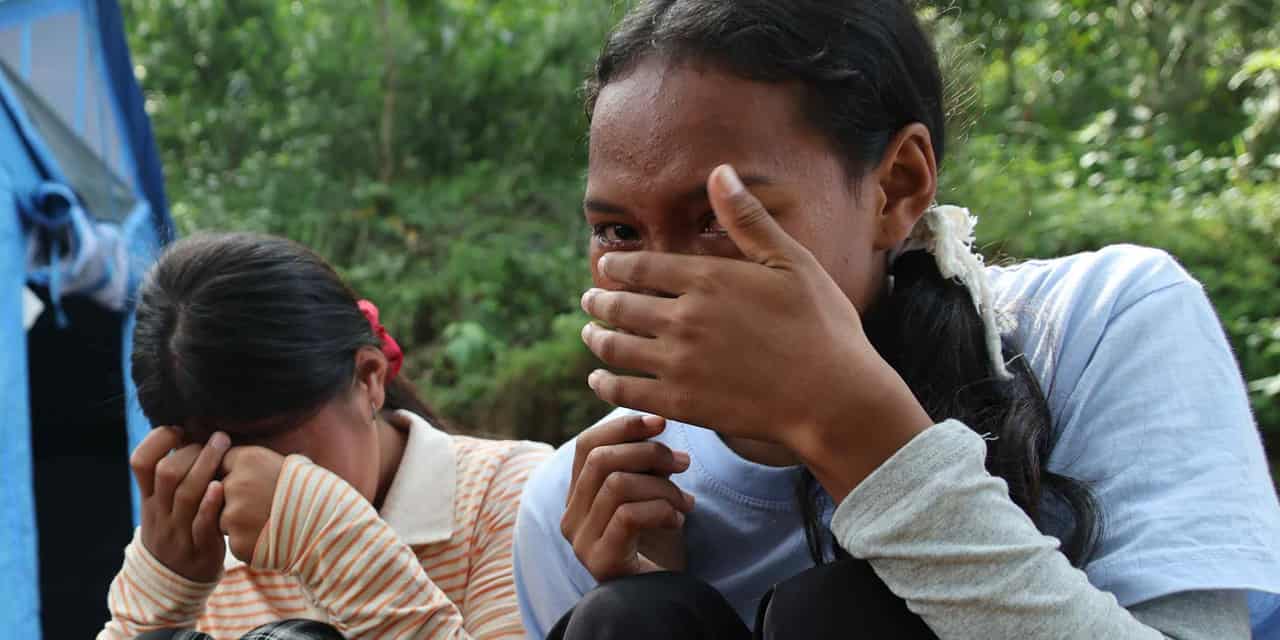
Sarita Tamang and Kanchhi Maya Tamang, both 18 and 16 respectively, fled to a mountain when warned of the approaching flood. They lost their mothers in the disaster and are struggling to envision a future. "We saw it from the hill," Sarita said. "The water swallowed up the streets, everything. We couldn't do anything but cry."
The affected region lies along a 1,000-year-old trade route between Tibet and Nepal. Buddhist monk Karma Tsegyal, who witnessed the mudslide rush through Bidur, is praying for the deceased and survivors. His temple displays dozens of photos of those who perished, many from the Tamang community.
Aite Bishwakarma, 58, is overlooking the river from a hill that escaped damage, his 33-year-old son Raju still missing. Raju, a truck driver, was reportedly near the heavily damaged Rasuwagadhi border crossing. Bishwakarma is now supporting his son's wife and three children, vowing to live for his grandchildren and return to making farming tools.